
How to Land Remote IT Support Jobs on Indeed (2026 Guide)

Introduction
Looking for a remote IT support job on Indeed can feel overwhelming. You’re not alone. One minute you’re excited by the long list of Indeed remote jobs. The next, you’re drowning in listings, unsure which ones are real opportunities and which are dead ends or worse.

The world of work has changed for good. The rise of remote work has completely transformed what it means to work in IT support.

This isn’t just a temporary trend. Major studies tracking job postings confirm that remote roles are now a permanent and growing part of the landscape across many fields, including tech. This shift opens amazing new doors, letting you work from anywhere. But it also creates new challenges. How do you stand out? How do you know which skills are in demand for 2026?
Here’s the thing. Job seekers today face two big problems: information overload and questions about legitimacy. Scrolling through page after page of IT support jobs remote listings is exhausting. You might wonder about pay, the true requirements, or if the company culture fits a remote setting. Reports on employment trends in 2026 highlight how the demand for new skills, especially in IT and AI, is actively reshaping hiring and what employers look for.
This guide is here to cut through the noise. We provide clear, data-driven, and actionable steps to help you successfully land a remote IT support job. We’ve looked at the latest market reports and trends so you don’t have to guess what works. Let’s turn that frustrating search into a focused plan for your next career move.
The Current Landscape of Remote IT Support Jobs
So, what does the market for remote IT support jobs really look like in 2026? The short answer is that it’s strong, growing, and full of opportunity, but it’s changing quickly.
First, the growth is real and permanent. The shift to remote work is not a temporary blip. Research tracking millions of online job postings shows that remote roles, especially in fields like IT, have become a standard part of the job market. When you search for indeed remote jobs in tech, you’re seeing a fundamental change in how companies build their teams.
This growth is being driven by digital transformation across all industries. As businesses rely more on cloud software and complex systems, the need for support professionals who can troubleshoot from anywhere has exploded. Major reports on employment and social trends in 2026 confirm this ongoing digital shift. Furthermore, the rise of AI is actively reshaping what these roles look like, creating demand for new skills alongside traditional troubleshooting.
For you, this means more choices and better leverage. Understanding these trends helps you target industries that are hiring aggressively, like tech, finance, and healthcare. It also helps with salary negotiations. Recent salary and market trends reports provide crucial insight into what you can expect to earn. Knowing the going rate for remote IT support jobs gives you the confidence to ask for what you’re worth in this competitive landscape.
Market Statistics and Growth Projections
The numbers back up the strong outlook. Projections show continued demand for remote IT support jobs through 2026 and beyond. Research on employment and social trends in 2026 confirms that the digital shift driving this demand is a lasting structural change, not a temporary phase.

This is great news for your job search.
Which industries are hiring the most? Specific sectors like tech, healthcare, and finance are leading job creation. These industries rely heavily on complex, always-on digital systems that require constant support. The integration of AI is also creating new hybrid roles, reshaping the skills needed for IT support jobs remote. As noted in a recent analysis, the demand for new skills in IT and AI is actively reshaping labor markets and hiring.
Geographically, opportunities are now concentrated wherever talent lives. Major tech hubs still post many indeed remote jobs, but companies are increasingly hiring support professionals from across the country to build diverse, resilient teams. This broadens your options significantly. When you search for those indeed remote IT support jobs today, you’re accessing a truly national, if not global, marketplace.
Ready to explore a different kind of remote opportunity? If you’re also curious about roles with high earning potential, check out this comprehensive guide to finding and succeeding in work-from-home sales jobs.
Top Industries Hiring Remote IT Support
Knowing where to look can make your search for indeed remote IT support jobs much easier. Certain sectors are hiring more remote support professionals than others right now.
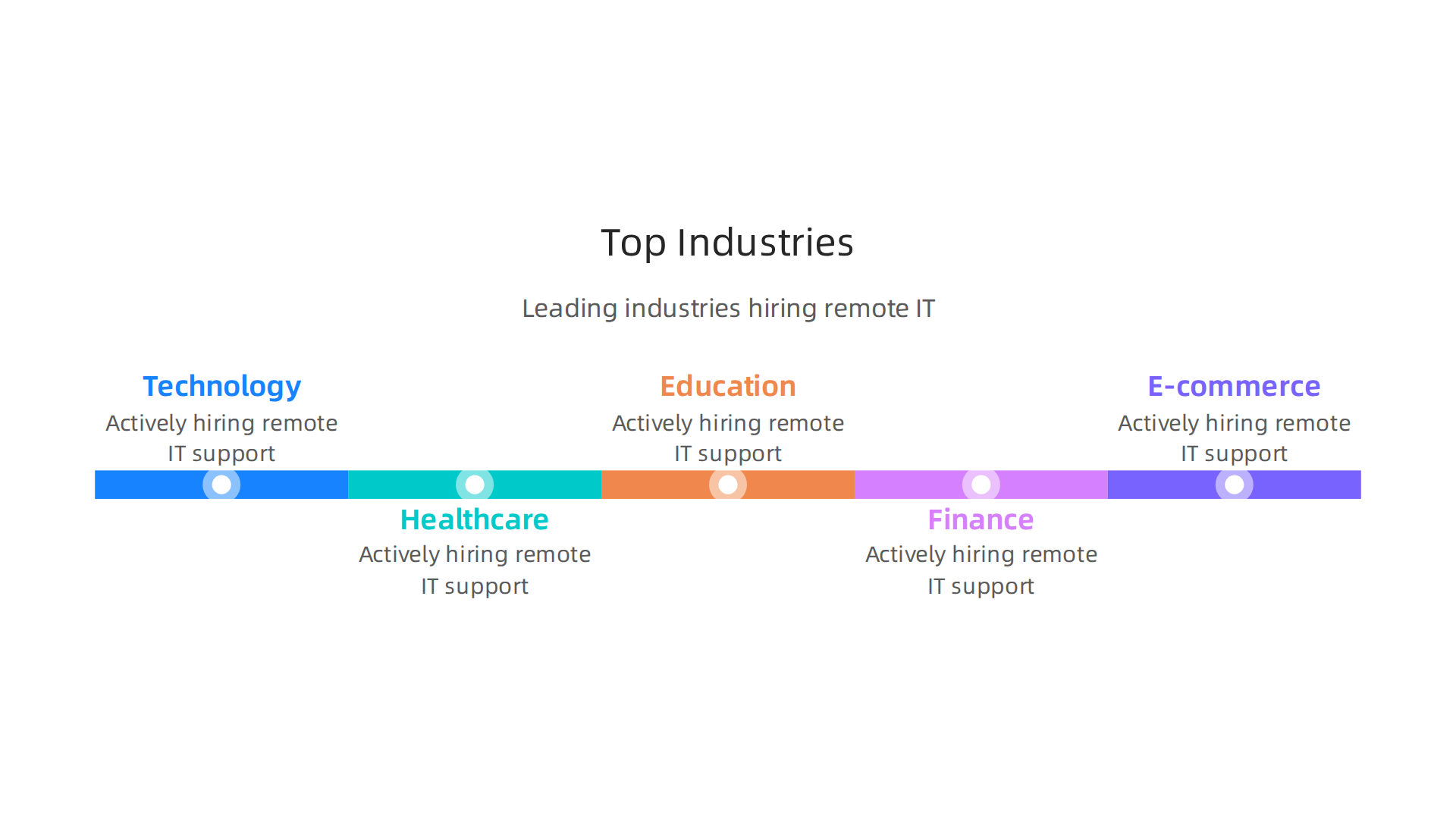
Here are the top industries to target.
Technology companies are the biggest hirers. They need support for their own internal teams and for their external clients. The push for AI tools in 2026 is also creating many new hybrid support roles. As research notes, the demand for new skills in IT and AI is actively reshaping who companies hire.
Healthcare and education have seen a permanent rise in demand. These sectors built massive remote infrastructures and now need IT pros to keep them running smoothly. This includes supporting telehealth platforms, online learning systems, and secure patient or student data portals.
Finally, finance and e-commerce rely heavily on IT support. Their needs focus on security, keeping payment systems online, and providing quick customer service. When these systems go down, it costs money, so they hire proactively. Data shows that remote vacancies are posted heavily across these key sectors.
Focusing your search for indeed remote jobs in these areas will connect you with the highest number of opportunities.
Salary Ranges and Earning Potential
So, what can you actually earn in an it support jobs remote role? In 2026, pay varies a lot. It depends on your experience, your location (even for remote work), and your special skills.
Entry-level support roles might start lower, but pay jumps with experience and certifications. For example, learning about AI or cloud security can really boost your salary. Data shows that new skills in IT and AI are actively reshaping what companies pay.
A good way to see the going rate is to look at current listings on major boards like Indeed. Broad market data on vacancies posted online by job boards gives a clear picture of demand. Specialized surveys also provide a snapshot of current market expectations and salary trends.
Knowing these scales helps you in two ways. First, it sets realistic goals for your search for indeed remote jobs. Second, it gives you the confidence to negotiate a better offer when you find the right remote it support jobs.
How to Find and Vet Remote IT Support Jobs on Indeed
Indeed is one of the biggest places to look for it support jobs remote. But with so many listings, you need a good plan to find the real gems and avoid the traps.
First, let’s talk about safety. Scammers know people want remote it support jobs, so they post fake ads. Protecting yourself is step one. Look for red flags like a company email that doesn’t match the official website, or a job that asks for money upfront. The FTC has a great guide on how to avoid work-from-home job scams.
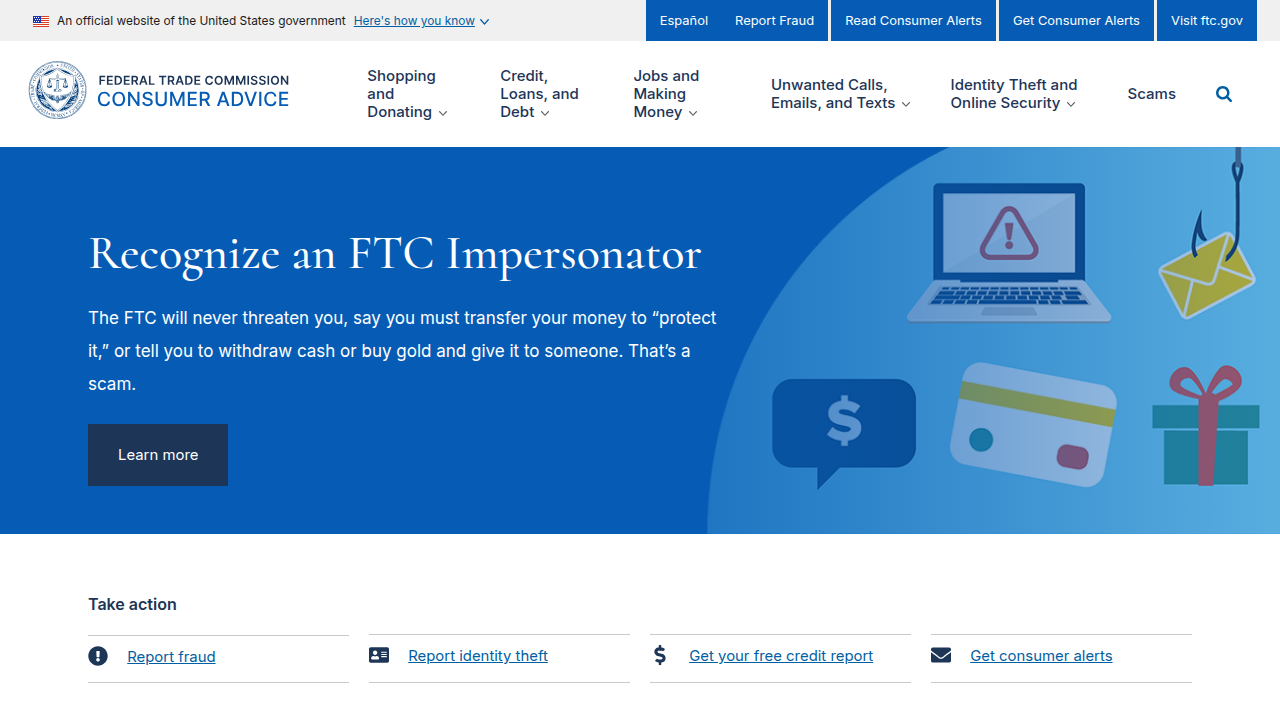
Indeed also offers its own complete guide on how to know if a job is a scam.
Next, make your search work better. Use specific keywords like "remote IT support specialist" or "help desk technician work from home" instead of just "remote jobs". Use Indeed’s filters for date posted and "remote" location. Setting up job alerts with your best keywords can bring the newest indeed remote jobs right to your inbox.
Finally, your Indeed profile is your first handshake. Make sure it’s complete. List your IT skills, certifications, and any remote tools you know. A strong profile helps real employers find you, moving you from searching to being found for the best remote it support jobs.
Advanced Search Strategies on Indeed
Now that you know how to spot a scam, let’s make your search for indeed remote it support jobs much smarter. Using Indeed’s tools the right way can save you hours and help you find the best opportunities faster.
Here are three simple strategies to try today.
1. Get Specific with Your Keywords
Don’t just search for "remote IT jobs." Be precise. Try searches like:
- "remote IT support specialist"
- "help desk analyst work from home"
- "IT technician remote"
These specific phrases help filter out jobs that aren’t a good fit. It is a great first step for finding legit opportunities in 2026, as experts recommend using targeted terms to cut through the noise.
2. Master the Filters
Indeed’s filters are your best friend. Always use the "Remote" location filter. Then, use the "Date Posted" filter to see the newest listings first. This helps you apply quickly and avoid outdated posts. You can also filter by company, salary, and job type. Using filters well is a key part of learning how to find legitimate remote jobs on trusted platforms.
3. Let the Jobs Come to You
Stop checking the site every day. Set up a "Job Alert." Enter your best keywords, turn on the remote filter, and save the search. Indeed will email you new it support jobs remote that match. This way, you are always first in line for new postings.
Using these strategies turns you from a passive searcher into an active finder of great indeed remote jobs.
Red Flags and How to Spot Scams
Finding a great listing for indeed remote it support jobs can be exciting. But sometimes, that excitement can turn into suspicion. It’s smart to be cautious. Scammers know people want remote work, so they create fake postings.
Here are the main red flags to watch for.
Promises That Sound Too Good
Be very careful if a job promises a very high salary for little experience or easy work. In 2026, a genuine guide on finding legitimate remote work warns that these offers are often scams designed to trick you. Real remote it support jobs have clear, realistic requirements and pay.
Requests for Upfront Money
A real company will never ask you to pay for training, software, or a "starter kit" to get a job. The FTC states that any request for you to pay money upfront is a major warning sign of a work-from-home scam.
Unprofessional Communication
Look at the company’s email address and website. Scams often use generic email services like Gmail instead of a company domain. If you can’t find a real website, LinkedIn page, or other employees for the company, it’s likely not a real indeed remote job.
Vague Job Descriptions
A real job post will explain your duties clearly. A scam listing might be very short, full of spelling errors, or describe the job in a way that sounds odd for IT support.
If you see these signs, do not share personal information. You can report the job directly to Indeed using their help center to protect other job seekers.
Optimizing Your Indeed Profile for IT Support
Now that you know how to spot fake listings, let’s focus on getting noticed for the real ones. A strong Indeed profile acts like a magnet for recruiters looking for indeed remote it support jobs. Think of it as your 24/7 online resume.
A complete profile with the right keywords makes it much easier for hiring managers to find you. Here’s how to set yours up for success.
Use Keywords from Real Job Posts
Look at several postings for remote it support jobs that interest you. See which technical words and phrases keep appearing, like "Active Directory," "ticket system," or "remote troubleshooting." Add these exact terms to your skills and experience sections.
Highlight Your Technical Skills and Certifications
Create a clear "Skills" section. List your hard skills, like specific software, operating systems, and networking tools. Don’t forget to add any certifications, such as CompTIA A+ or ITIL. These are key signals for indeed remote jobs in tech support.
Showcase Your Remote Experience
If you have any past remote work, make it clear. In your job descriptions, mention tools you used for remote support, like VPNs, remote desktop software, or cloud-based help desks. This proves you can handle the unique aspects of it support jobs remote.
Write a Professional Summary
This is your quick pitch at the top of your profile. In a few sentences, say who you are, what you specialize in, and that you’re seeking a remote IT support role. It’s your first chance to make a strong impression.
Ask for Recommendations
A good word from a former manager or colleague adds trust. It shows recruiters that others have valued your work, making your profile stand out among other indeed jobs.
Filling out every part of your profile takes a little time, but it’s worth it. A complete, keyword-rich profile is your best tool for getting discovered for the best indeed remote it support jobs in 2026.
Essential Skills and Certifications for Success
Having a great profile is your first step. The next is making sure you have the skills that hiring managers for indeed remote it support jobs are actually looking for in 2026. You need a mix of hard technical abilities and the soft skills to make remote work a success.
Technical Skills Are Your Foundation
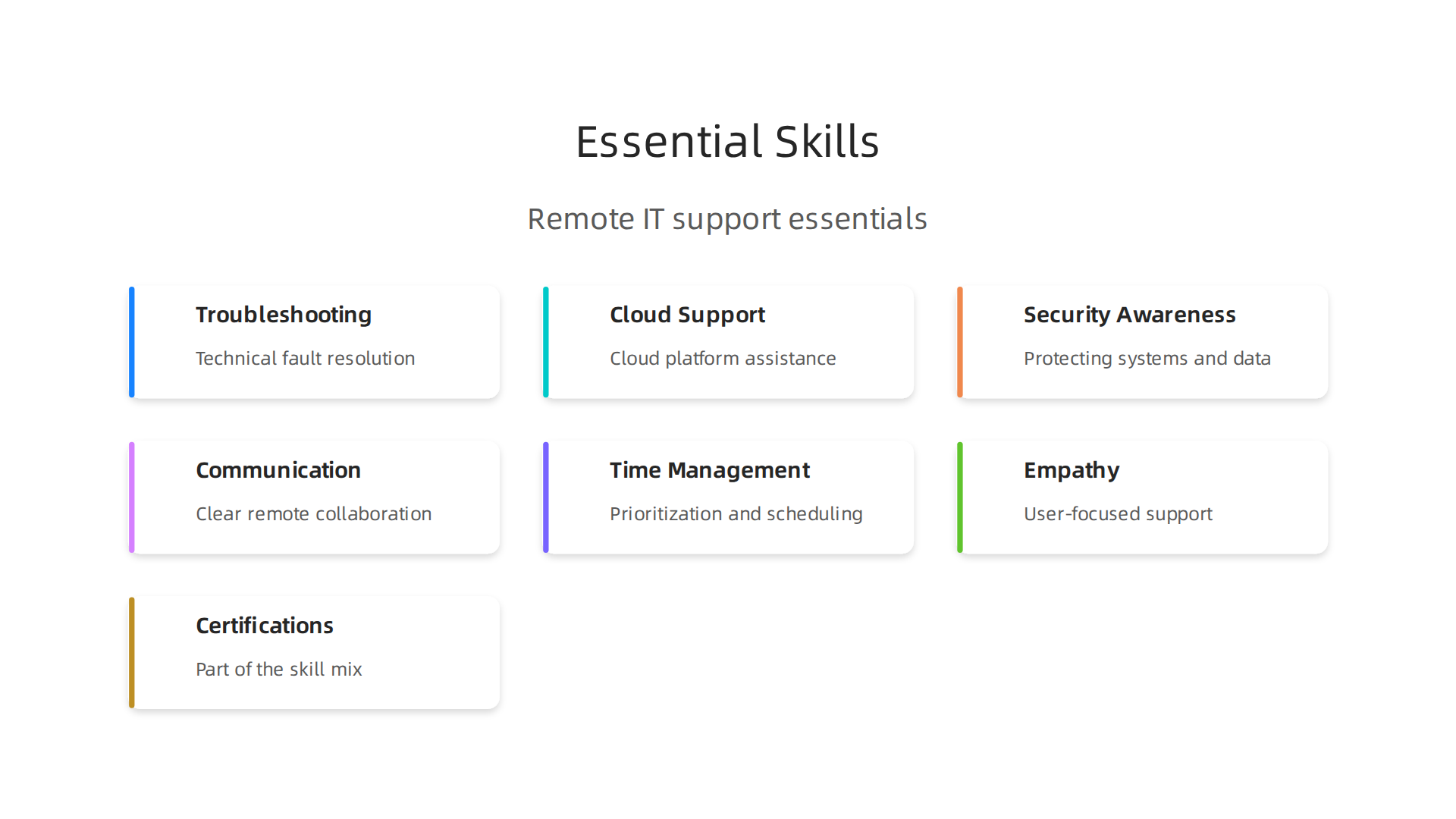
The core of any it support jobs remote role is problem-solving. You must be excellent at diagnosing and fixing technical issues. According to a guide on foundational skills, this includes understanding ticketing systems, user account management, and basic network concepts. In 2026, knowledge of cloud platforms is also essential, as more companies operate online. A report on key skills notes that cloud computing and security fundamentals are consistently in high demand.
Soft Skills Make Remote Work Possible
For remote it support jobs, your technical know-how is only half the battle. You must be a great communicator. You need to explain complex fixes clearly over chat or video call. Time management and self-discipline are also critical when you’re working from home without direct supervision. As noted in an analysis of beginner roles, employers highly value these soft skills because they ensure you can collaborate and stay productive from anywhere.
Certifications Validate Your Expertise
Certifications are powerful proof of your skills. They show you’re serious and give recruiters confidence. A foundational certification like CompTIA A+ is a classic starting point for many indeed jobs in tech support. In today’s market, adding a cloud-specific certification can make you much more competitive. These credentials directly address the in-demand skills employers are seeking.
Build these skills, prove them with certifications, and you’ll be perfectly positioned to land the indeed remote it support jobs you want.
Technical Skills: From Troubleshooting to Cloud Support
A certification proves you know the concepts. But what are the actual technical tasks you’ll be doing in those indeed remote it support jobs in 2026? The role is built on a core of classic troubleshooting, but today’s support extends far beyond the physical desk.
Your foundation is the ability to solve problems with networks, operating systems, and hardware. This means diagnosing why a printer won’t connect, helping a user reset a password in Active Directory, or guiding someone through reinstalling a corrupted OS driver. As noted in a guide for beginners, understanding these basic network and system concepts is what gets your foot in the door for remote it support jobs.
Now, layer on the modern essentials. Support in 2026 happens in the cloud. Familiarity with platforms like AWS or Microsoft Azure, and the countless SaaS tools companies use daily, is increasingly critical. In fact, cloud computing and security are consistently ranked among the top in-demand IT skills for your career.
This brings us to the third pillar: security awareness. Every support interaction touches company data. You need to know the basics of data privacy, recognize phishing attempts, and understand secure access protocols. Protecting user information isn’t just an add-on; it’s a fundamental part of every it support jobs remote role today.
Soft Skills for Remote Communication
Your technical knowledge gets you to the starting line. But your soft skills determine how far you run in those indeed remote it support jobs.
When you can’t walk over to someone’s desk, your ability to communicate clearly becomes your most important tool. Every ticket you solve and every instruction you give depends on sharp written and verbal skills. As a guide for beginners points out, understanding workflows and ticketing systems is crucial, and that all hinges on clear communication.
You also need strong time management and self-discipline. Without a manager looking over your shoulder, you must prioritize tasks and stay productive. This skill is what separates successful remote workers from the rest.
Finally, bring empathy and patience to every interaction. The person on the other end of the chat is often stressed. A calm, understanding approach doesn’t just solve the tech issue. It improves the entire support experience and is a key trait for any it support jobs remote role.
For a deeper look at the essential mix of skills needed for entry-level success, including how communication fits into daily tasks, check out this comprehensive Level 1 IT support guide for 2026.
Recommended Certifications and Training
Your soft skills help you connect, but the right certifications prove you know your stuff. For indeed remote it support jobs, having a respected credential on your resume can make your application stand out instantly.
Start with the basics that hiring managers look for everywhere. Certifications like CompTIA A+, Network+, and ITIL are widely recognized as the foundation for IT support roles. They show you understand hardware, networks, and standard service management practices. As experts note, understanding core systems and networks remains a top in-demand IT skill for 2026.
To boost your specialization, consider vendor-specific certifications. For example, a Microsoft 365 Fundamentals or a Cisco Certified Technician credential can make you a stronger candidate for remote it support jobs that use those specific technologies.
The good news is that getting certified is more flexible than ever. You can find online courses and bootcamps that let you learn at your own pace, making it easier to train for your new career from anywhere.
The Remote IT Support Interview Process
Getting an interview for one of those indeed remote it support jobs is a big win. Now, it’s time to prepare for a different kind of conversation. Remote interviews have their own flow and key points to master.
Your preparation should start long before the video call. Research the company deeply and understand how their IT team functions remotely. Practice your answers to common questions. As career experts advise, a solid preparation strategy includes a personal SWOT analysis to understand your own strengths and weaknesses.
You can expect two main types of questions. First, technical assessments to prove you can solve problems, like walking through your troubleshooting process. Second, behavioral questions to see how you work alone and communicate in a remote team. For example, you might be asked how you stay updated on technical trends or handle a difficult user. You can find great lists of current questions, like these 30 remote interview questions hiring teams use in 2026 or these 10 IT support interview questions on Indeed.
Finally, your setup matters as much as your answers. Test your camera, microphone, and internet connection. Choose a quiet, well-lit space with a professional background.

This shows you understand the practical side of remote work and are ready to contribute from day one. For a visual guide on putting it all together, this IT tech support interview prep video for 2026 can be very helpful.
Common Interview Questions and How to Answer
The questions you get for it support jobs remote will typically fall into three main categories. Knowing what to expect helps you prepare strong, confident answers.
Technical questions test your problem-solving skills and core knowledge. A classic example is, "What is your troubleshooting process?" Interviewers want to hear a logical, step-by-step approach. You can practice framing your answer using guides on common IT interview questions. Other technical questions might ask about specific systems, network basics, or how you stay updated on new tech, a topic covered in Indeed’s list of 10 IT support interview questions.
Behavioral questions explore your past experiences and soft skills, which are vital for remote work. You might hear, "Describe a time you handled a difficult user," or "How do you prioritize tasks when working alone?" These assess communication, self-management, and patience. For a comprehensive list of what hiring managers ask in 2026, review these 30 remote interview questions that cover collaboration and time management.
Scenario-based questions evaluate how you handle real-world issues. An interviewer could say, "A remote executive can’t connect to the VPN before a big meeting. Walk me through what you do." Here, they listen for both technical know-how and calm, clear communication under pressure. For a visual walkthrough of handling these questions, the IT Tech Support Interview Questions + Answers for 2026 video is a great resource.
Practice answering each type out loud. Structure your responses with a clear situation, the action you took, and the positive result. This preparation turns interview anxiety into your biggest advantage for landing those indeed remote jobs.
Technical Assessments and Mock Scenarios
Moving past standard questions, many hiring teams for indeed remote it support jobs will test your hands-on skills. Expect technical assessments. These can include timed troubleshooting simulations in a virtual lab or basic coding challenges to check your logical thinking.
You’ll also face mock scenarios. A hiring manager might share their screen and say, "Pretend I’m a frustrated employee. My email isn’t syncing. Help me fix it." This isn’t about a perfect answer, but about showing your calm, step-by-step process out loud. For a great example of this in action, watch a walkthrough in the IT Tech Support Interview Questions + Answers for 2026 video.
The best way to prepare is to practice. Use online platforms that offer IT labs or run through scenarios with a friend. Explain your thoughts as you go. This practical rehearsal turns nervousness into confidence, proving you have the skills for remote it support jobs.
Preparing for Video Interviews
Now that you have practiced your technical skills, it is time to set the stage for the interview itself. For indeed remote it support jobs, your video call is your first impression of your remote work setup. It needs to be flawless.
First, test your technology. Do a practice call with a friend to check your internet, camera, and microphone.
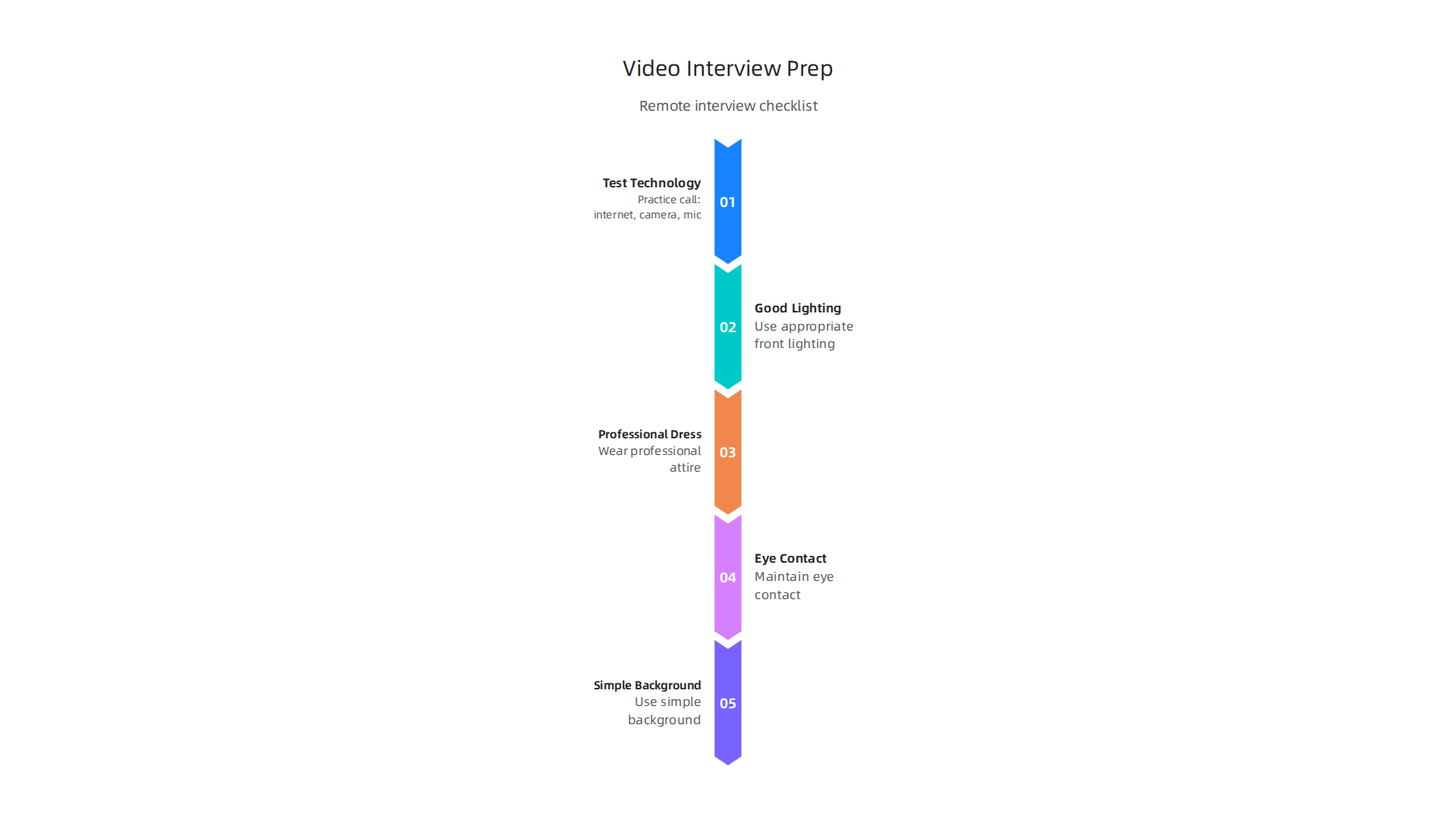
Good lighting in front of you, not behind you, and a clean, simple background are essential to avoid distractions. Hiring teams in 2026 specifically look for candidates who handle their "technical setup" professionally, as noted in guides on common remote interview practices.
Dress as you would for an in-office interview. This shows respect and professionalism. Remember to look at your camera when you speak, not at the interviewer’s face on your screen. This simple trick creates the feeling of eye contact and shows you are engaged.
Have a few notes on your screen about key projects or answers to tough questions. But do not read from a script. You want to sound natural and confident, not robotic. The goal is to show you are not just ready for the questions, but also ready for the remote work environment that comes with it support jobs remote.
Building a Career and Network Remotely
Landing your first remote IT support job is a huge win. But what comes next? Here is the good news. Working from home does not mean your career stalls. In fact, remote work in 2026 offers clear paths for growth if you know where to look.
Career advancement in remote IT support often means moving into specialized or leadership roles. You could focus on cybersecurity, cloud computing, or network administration. These are some of the fastest growing remote careers in 2026. Starting in general support gives you a strong foundation. From there, you can earn certifications to become an expert in a high-demand area. This path is a proven way to increase your salary and responsibilities over time.
Building a professional network is different when you work remotely, but it is just as important. You need to be proactive online. Platforms like LinkedIn are essential.

Join groups for IT support professionals and participate in discussions. Follow companies you admire and engage with their content. Online forums and communities are also great places to connect with peers, share knowledge, and hear about new indeed remote jobs. For example, if you are exploring different fields, connecting with communities around remote sales jobs can provide insights into other high-demand remote careers. A strong network can lead to mentorship, advice, and job referrals.
Finding a mentor can dramatically speed up your professional growth. A good mentor provides guidance, helps you avoid common mistakes, and can open doors to new opportunities. Look for experienced professionals in your company or through your online networks. Do not be afraid to ask someone you respect for a short virtual coffee chat. Most people are happy to help. As career guides note, having a smart strategy for development is key for effective career growth as a remote worker.
Your first remote it support job is the beginning. With focus on specialization, active networking, and seeking guidance, you can build a rewarding and long-lasting career from anywhere. Ready to explore the next step in your remote career journey?
Career Advancement Paths
Your first remote IT support job is a launchpad. In 2026, an entry-level help desk position can be the first step toward senior support, team leadership, or even management. Career guides note that having a smart strategy for development is key for effective career growth as a remote worker.
One of the best ways to advance is to specialize. Focusing on high-demand areas like cybersecurity, cloud computing, or network administration can open many doors. These are some of the fastest growing remote careers in 2026. This specialization is a proven path to higher pay and more responsibility.
Continuous learning is the engine of your career progression. Earning new certifications shows employers you are committed to growing your skills. This dedication pays off. For example, a beginner can start in general support and, with the right certifications, reach salaries of $85,000 or more in 3-5 years. Your path in remote IT support is what you make it. By specializing and never stopping your education, you build a rewarding future from anywhere.
Online Networking Strategies
Advancing your career in 2026 means making connections, even from a distance. Good online networking can lead you directly to those indeed remote it support jobs and other great opportunities. Here is how to start.
First, join the right groups. Look for active IT support communities on LinkedIn and Reddit. Also, check out professional associations related to your specialization, like cybersecurity or cloud computing. These spaces are where hiring managers and team leaders often share insights and job openings for the fastest growing remote careers in 2026.
Next, be an active participant. Do not just watch. Join webinars and virtual conferences to learn about new trends. Ask questions in online forums and share your own solutions to common problems. This active engagement shows you are knowledgeable and builds your reputation, which is a key part of effective career development for remote workers.
Finally, build your visibility. Follow and thoughtfully engage with industry influencers on social media. Share useful articles or write short posts about what you are learning. When you consistently add value, people remember you. This makes you a strong candidate when it support jobs remote are posted, moving you beyond just applying on indeed jobs to being someone a hiring manager already knows and trusts.
Finding Mentorship in the IT Support Community
A mentor can be a game-changer for your career growth. They offer personalized advice, give you honest feedback on your skills, and can introduce you to their professional network. This support is especially valuable when you are searching for indeed remote it support jobs, as a mentor might know about openings before they are posted publicly.
So, how do you find one? Start by looking on platforms built for mentorship matching, like MentorCruise. Also, be active in the industry forums and groups you joined for networking. Often, experienced professionals there are willing to guide newcomers. Remember, being proactive and clear about your career goals makes someone more likely to want to help you. As experts note, smart career planning for remote workers involves seeking guidance to navigate your path effectively.
Finding the right person to guide you can accelerate your journey toward those coveted remote it support jobs in 2026.
Making the Transition to Remote IT Support
Landing the interview is one thing. Making the successful leap into a remote role is another. To thrive in your search for indeed remote it support jobs, you need a solid plan for the transition itself. This means assessing your skills, creating the right workspace, and building habits that set you up for long-term success.
Start with an honest skill check. Remote IT support requires all the technical know-how of an in-office job, plus strong self-management and communication skills. Review a current guide on essential Level 1 IT support skills for 2026 to see where you stand. Identify any gaps you can fill before you start applying.
Next, create a dedicated home office. This isn’t just about having a desk. A proper workspace boosts your focus during job searches and interviews, and shows potential employers you’re serious. It also prepares you for the productivity you’ll need on the job. Experts note that a structured environment is a key step in transitioning to remote work smoothly in the 2026 landscape.
Finally, adopt remote work habits now. Practice setting a clear schedule, taking disciplined breaks, and communicating proactively. Learning to provide excellent support from a distance is a valued skill. For instance, modern IT teams use secure, efficient methods to cut remote support time significantly. By building these routines early, you prove you’re ready for the autonomy of remote it support jobs and achieve a better work-life balance from day one.
Steps for Career Switchers
Are you changing careers to find indeed remote it support jobs? You can do this. Many people successfully switch into IT support every year. The key is to show how your past experience is useful.
First, look at your old jobs. You might have skills that fit IT support. These include solving problems, talking to customers, and managing projects. Then, check a modern guide on essential IT support skills to see what you need to learn. Fill any skill gaps with online courses.
Next, get real experience. You can do this before you land a full-time job. Try freelance tech help, an internship, or volunteer support for a local charity. This hands-on practice makes your resume stronger. It shows you can do the work.
Finally, make your resume speak the right language. When you apply for remote it support jobs, use the words from the job description. Highlight your transferable skills and new experience. Explain clearly how your past career helps you succeed in IT support. For a full roadmap on making a big career change, see this helpful guide on how to switch to tech with no experience in 2026.
Setting Up Your Home Office
After you land one of those indeed remote it support jobs, your next step is building a productive workspace. A good home office helps you focus and shows employers you’re professional.
Start with your core tools. You need a reliable computer and, if possible, two monitors. Using two screens can make you much faster when helping users and managing tickets. A comfortable, ergonomic chair and desk are also essential to stay healthy while working long hours. As noted in a guide for 2026, having the right setup is a key part of providing effective remote IT support.
Your connection is your lifeline. Invest in high-speed internet to avoid drops during important calls or while remotely accessing a user’s computer. Consider a backup power solution, like a UPS, to keep your router and computer running during short outages. This prevents you from getting disconnected right in the middle of solving a problem.
Finally, organize your space for success. Keep your work area tidy and dedicated only to work. Try to minimize background noise and distractions. Creating a professional, focused environment is a major step for a smooth transition into the 2026 remote work landscape. A great home office setup not only helps you do your best work but also gives you confidence in your new remote career.
Time Management and Productivity Tips
Once your office is ready, mastering your time is what keeps you effective in your indeed remote it support jobs. Good organization helps you handle tickets faster and stay on top of your day.
Start by structuring your time. Use a digital calendar to block off hours for deep work, meetings, and checking your queue. Task managers like Todoist or Trello can help you prioritize. Many pros use the Pomodoro Technique, working in focused 25-minute sprints followed by short breaks, to maintain sharp focus on technical problems.
Next, set clear boundaries. When your home is your office, it’s easy for work to spill into personal time. Define a firm start and end to your workday. Communicate these hours to your team and housemates. This separation is crucial to prevent burnout and is a key part of a sustainable transition to the 2026 remote work landscape.
Finally, remember to move. Regular breaks are not a distraction, they are a requirement. Step away from your desk every hour. Stretch, take a short walk, or just look out a window. This physical activity resets your mind, maintains your health, and actually helps you solve problems faster when you return. Staying active is a simple but powerful tip for thriving in remote it support jobs.
Summary
This article is a practical guide to finding and succeeding in remote IT support jobs in 2026, with a focus on searches via Indeed. It explains why remote roles are now a durable part of the market, which industries (tech, healthcare, finance, e‑commerce) hire most, and how AI and cloud trends are reshaping required skills and pay. You’ll learn concrete search tactics—using targeted keywords, filters, and job alerts—how to vet listings and spot scams, and how to optimize your Indeed profile with the right keywords, certifications, and remote experience. The guide also covers the technical and soft skills employers want, recommended certifications, interview prep including mock scenarios, and practical tips for setting up a home office and building a remote career. After reading, you should be able to identify legitimate remote openings, present yourself strongly to recruiters, and plan a clear path for growth in remote IT support.