How to Land Remote HR Jobs in the USA: The 2026 Guide

Introduction: The Rise of Remote HR in the USA
Picture this. You are ready to find a great job in human resources, but you want the freedom to work from anywhere.

You are not alone. The world of work has changed for good, and remote HR jobs in the USA are at the center of that change.
Today, working from home is not just an option. It is a normal part of many careers, especially in HR. In fact, a 2026 survey by Robert Half found that 88% of employers now offer some form of hybrid or remote work. This shift is creating a huge wave of new opportunities. Companies are not just hiring remote coordinators. They are now looking for senior HR leaders who can work from anywhere. This means more full time remote jobs and more choices for you.
But there is a catch. With so much demand, the competition is fierce. A single remote HR job posting can attract nearly three times more applicants than an in-office role. At the same time, it can be hard to tell which opportunities are real and which ones are scams. Finding those legitimate remote jobs USA companies are offering takes a new set of skills.
That is where this guide comes in. We will cut through the noise. You will learn where to find the best HR remote jobs USA employers are hiring for right now. We will show you how to spot a real opportunity and avoid the fake ones. We will also share the exact steps you need to stand out and get hired, whether you are looking at HR tech companies or traditional industries.
Just like finding a great remote IT support role on Indeed, landing a top remote HR job requires a smart strategy. Let us build yours together.
The State of HR Remote Jobs in the USA (2026)
The market for hr remote jobs usa is booming. But what does it really look like right now? Let us break down the numbers, the pay, and where the opportunities are actually growing.
Market Trends and Salary Snapshot
The shift to remote work is not a temporary fix anymore. It is a core part of how companies operate. As noted in our introduction, a 2026 Robert Half survey confirms that 88% of employers now offer hybrid or remote setups. This permanent change means more full time remote jobs are being created in HR than ever before.
With high demand comes strong competition. Research indicates that a single remote job posting can attract nearly three times more applicants than a traditional office role. This means you need to be strategic and know where to look for remote jobs usa legit postings.
What about pay? Salaries for remote HR roles are competitive and often match or exceed in-office positions, accounting for the value of location flexibility. For example, a detailed 2026 guide on the best remote HR jobs lists realistic salary ranges for positions like HR Generalist, HRIS Specialist, and Talent Acquisition Partner, giving you a clear benchmark for negotiations.
Industries with the Highest Demand
Not every industry is embracing remote HR at the same speed. Some sectors are leading the charge. Here is where you will find the most opportunities:
- HR Tech and Software Companies: This is the most obvious hub. These companies build tools for remote work, so they naturally hire HR professionals remotely. Platforms like Built In maintain active lists of top HR tech companies hiring remotely.
- Technology and Startups: Beyond HR tech, general tech companies and startups were early adopters of distributed teams. They need HR professionals who can navigate remote culture, onboarding, and engagement.
- Healthcare and Telemedicine: The massive growth in remote healthcare services has created a parallel need for HR teams that can manage a dispersed clinical and administrative workforce.
- Finance and Fintech: Banks, insurance companies, and financial technology firms are steadily expanding their remote HR capabilities to tap into a wider talent pool.
- Professional Services: Consulting firms, marketing agencies, and other service-based businesses now routinely offer remote HR roles to support their own flexible teams.
Experts note that with HR at the center of workforce transformation, demand across these sectors has never been higher. This trend is creating a wide variety of work from home jobs within the HR function itself.
Where are These Jobs Located (Geographically)?
This is the best part about remote jobs in HR. Geographic distribution is changing. While company headquarters might be concentrated in major coastal hubs like New York, San Francisco, or Austin, the jobs themselves are not.
- True Location Independence: Many roles are listed as "remote" or "work from anywhere in the USA." This means you can work for a company based in California while living in Ohio, North Carolina, or Colorado.
- State-Specific Listings: Some postings will specify "remote, but must be based in [State]" due to tax or employment law reasons. You will see many openings that require you to reside in a specific state or time zone.
- Hybrid-HQ Models: Some companies list a role as remote but note a preference for candidates within a certain radius of an office for occasional meetings. Always read the location fine print.
Finding these distributed opportunities requires using the right search filters on job boards and knowing which companies are fully remote-first. The strategy is similar to finding specialized roles in other fields, like using targeted searches to land a remote IT support role on Indeed.
The landscape for remote HR work in the USA is vast and maturing. Understanding these trends in market salary, high-demand industries, and geographic flexibility is your first step in navigating it successfully.
Essential Skills for Remote HR Professionals
Knowing where the hr remote jobs usa are is one thing. Landing one is another. In 2026, the competition for remote jobs is fierce. To stand out, you need more than just traditional HR knowledge. You need a specific skill set built for a digital, distributed workplace.
Here are the essential skills hiring managers are looking for in remote HR candidates right now.
Technical Proficiency: Your Digital Toolbox
Working remotely means you are the master of your own digital domain. You cannot walk over to the IT department for help. You need to be comfortable with key platforms.
- HRIS & ATS Mastery: This is non-negotiable. You must know how to navigate Human Resource Information Systems (like Workday) and Applicant Tracking Systems. As industry research shows, proficiency in HRIS is consistently listed as a top in-demand skill. You will use these systems for everything from payroll and benefits to tracking candidates.
- Data Literacy: HR is driven by data in 2026. You need to understand basic metrics, read reports, and use data to tell a story about hiring, retention, and employee engagement. Experts note that data literacy is a daily requirement for modern HR professionals.
- AI Fluency: Artificial Intelligence is not coming. It is here. You should understand how AI tools can help with screening resumes, scheduling interviews, or analyzing employee sentiment. Being digitally ready is key, as AI fluency is a game-changing skill for HR leaders.
Think of it like this: just as a remote IT pro needs to troubleshoot from afar, you need to manage the human side of a business through software. The strategy is similar to professionals who learn to find specialized remote IT support roles by mastering their tools.
Soft Skills: The Heart of Remote Connection
This is where many applicants falter. Remote work strips away casual office chatter. Your ability to connect, communicate, and collaborate intentionally becomes your superpower.
- Written & Verbal Communication: You must be crystal clear. This means writing concise emails, documenting processes, and running effective video meetings. Ambiguity causes major delays in a remote setting.
- Empathy & Active Listening: You cannot see body language easily on a small video square. You need to listen for tone, ask thoughtful questions, and sense unspoken concerns during check-ins or conflict resolutions.
- Collaboration & Adaptability: You will work with people across time zones using Slack, Teams, or Asana. You need to be proactive, update colleagues asynchronously, and adapt to different communication styles. Hiring managers in 2026 highly value collaboration and adaptability in all candidates.
Self-Management: Your Personal Operating System
For full time remote jobs, you are your own manager in many ways. Companies need to trust you to get work done without supervision.
- Time Management & Prioritization: You will juggle multiple channels of communication and tasks. Knowing how to block focus time, prioritize your daily list, and avoid distraction is critical.
- Proactive Problem-Solving: When you hit a snag, you cannot immediately turn to your neighbor. You need to first try to find a solution, know when to escalate, and clearly communicate the issue and what you have already tried.
- Accountability & Resilience: You are responsible for your output. This means meeting deadlines, being available during core hours, and managing your energy to avoid burnout. Resilience helps you handle the isolation that sometimes comes with work from home jobs.
Building this triple-threat skill set is what separates applicants from top candidates. It shows you are ready not just to do HR work, but to thrive in the modern, remote-first landscape of 2026. Focus on developing these areas, and you will be well on your way to securing those remote jobs usa legit you are searching for.
How to Find Legitimate HR Remote Jobs
You have the skills. Now you need to find the right opportunity. The search for hr remote jobs usa can feel overwhelming. So many websites. So many postings. How do you know which ones are real, high-quality remote jobs usa legit?
Let’s break it down. Here are the best places to look and how to spot trouble before you apply.
Start with the Right Job Boards
Not all job boards are created equal, especially in 2026. For full time remote jobs, you need to look in the right digital neighborhoods. Mix big, general sites with niche platforms that focus on remote work.
- The Big Players: Sites like LinkedIn and Indeed have massive reach. Use their powerful filters. Search for "remote" or "HR Business Partner" and set the location filter to "Remote." Recruiters confirm that large boards like LinkedIn are effective for remote hiring due to their wide reach. They are great for volume.
- Specialized Remote Boards: This is where many of the best work from home jobs are posted. Sites like Remote100K, We Work Remotely, and Remote OK focus only on remote opportunities. Guides for 2026 list these as top destinations for finding remote work. They attract companies that are truly remote-first.
- Industry-Specific Sites: Don’t forget boards built for tech and startup companies, as they often have remote HR roles. Check out Built In for remote HR and recruiting jobs. Similarly, a site like Wellfound (formerly AngelList) is excellent for startup jobs. Recent data even shows Wellfound has a high response rate from employers.
- The Hidden Gems: Some of the best roles are on smaller, curated boards. Research indicates that the best remote jobs in 2026 often don’t make it to the big boards. Explore sites like Remote Rocketship or Working Nomads. The strategy is similar to tech professionals who find success on specialized platforms for remote IT support roles.
Spot the Red Flags: How to Avoid Scams
Finding a legitimate job means knowing what to avoid. Protect your time and personal information.
- Vague Job Descriptions: If the posting is full of buzzwords but light on actual duties, responsibilities, or qualifications, be wary. A real company knows what they need.
- Too Good to Be True Pay: An extremely high salary for little experience or work is a major warning sign. Research standard pay ranges for the role.
- Poor Communication: Legitimate companies have professional processes. Be cautious of interviews conducted only via chat (like Telegram or WhatsApp), hiring managers with unprofessional email addresses, or requests for money upfront for "training" or "equipment."
- Pressure to Act Fast: Scammers often create false urgency. A real hiring process respects your time.
- No Digital Footprint: Search for the company name. Do they have a professional website? A LinkedIn page with real employees? If you can’t find them online, they probably aren’t real.
Use LinkedIn as a Power Tool
LinkedIn is more than a job board. It’s your networking headquarters.
- Optimize Your Profile: Your headline should include "HR Professional" and "Remote." In your "About" section, highlight the remote-ready skills we discussed, like asynchronous collaboration and HRIS proficiency.
- Follow and Engage: Follow companies you’d love to work for. Engage with their content thoughtfully. Comment on posts from their HR leaders. This gets your name noticed.
- Use the "Open to Work" Feature: Signal to recruiters that you are looking for remote jobs. You can set this to be visible only to recruiters if you prefer.
- Connect and Inform: Let your network know you are seeking a remote HR role. A personal message to a former colleague can open more doors than a cold application.
By combining smart searching on vetted job boards, a sharp eye for scams, and active networking, you cut through the noise. You move from just looking for hr remote jobs usa to strategically finding the right one for you in 2026.
Crafting Your Application for Remote HR Roles
You found the perfect job posting. It’s a legitimate hr remote jobs usa opportunity that matches your skills. Now comes the most important part, crafting an application that proves you are the right person for that full time remote jobs role.
A generic resume and cover letter won’t work. In 2026, hiring managers for work from home jobs look for candidates who demonstrate they can thrive outside a traditional office. Your application needs to speak directly to that need.
Tailor Your Resume for a Remote-First World
Your resume is your first impression. Make it count by reframing your experience for a remote context.
- Lead with a Remote-Ready Summary: Start with a strong profile summary. Mention your experience with remote collaboration, HR information systems (HRIS), and managing distributed teams.
- Quantify Your Impact: Use numbers. Did you improve onboarding completion rates by 20% using a new digital platform? Did you manage benefits for a team spread across 15 states? Numbers prove you can deliver results from anywhere.
- Highlight Key Remote Skills: Integrate the most in-demand skills for 2026 right into your bullet points. Industry leaders note that data literacy and AI fluency are now daily requirements for HR professionals. Mention specific tools (like Workday, BambooHR) and soft skills like written communication, self-motivation, and accountability, which are consistently highlighted by hiring managers as must-haves.
Write a Cover Letter That Connects
Your cover letter is where you tell your story. It should answer one question for the reader, "Can this person excel here, without ever stepping into our office?"
- Address the Remote Environment Directly: In the first paragraph, express your enthusiasm for their remote or hybrid model. Show you’ve thought about it.
- Tell a Remote Success Story: Don’t just list skills. Describe a time you successfully resolved a complex employee relations issue via video call, or how you led a virtual training session. This demonstrates you have the practical experience.
- Showcase Digital Readiness: Mention your comfort with the digital tools of modern HR. Familiarity with systems for performance management, recruitment, and analytics is critical, as HRIS and benefit administration skills are consistently in high demand. If you have experience with AI tools for screening or analytics, mention it, as these are game-changing skills for HR leaders in 2026.
Showcase Transferable Skills
Even if your past role wasn’t fully remote, you have transferable skills. Frame them the right way.
- Project Management: Juggling multiple open roles, leading an annual benefits renewal, or implementing a new policy are all projects. Highlight your organization and follow-through.
- Communication: Emphasize your clear, proactive written communication. This is the lifeblood of remote work.
- Technical Proficiency: Your ability to quickly learn new software is a huge asset. This is a skill valued across all remote fields, just as technical aptitude is key for success in landing remote IT support jobs.
By strategically tailoring every part of your application, you move beyond just listing your history. You build a compelling case that you are not just a great HR professional, but a great remote HR professional, fully prepared for the demands of 2026.
Acing the Remote Interview Process
You crafted a winning application. Now you have an interview scheduled for those exciting hr remote jobs usa. This is your moment to shine on screen and prove you’re the perfect fit for their full time remote jobs team.
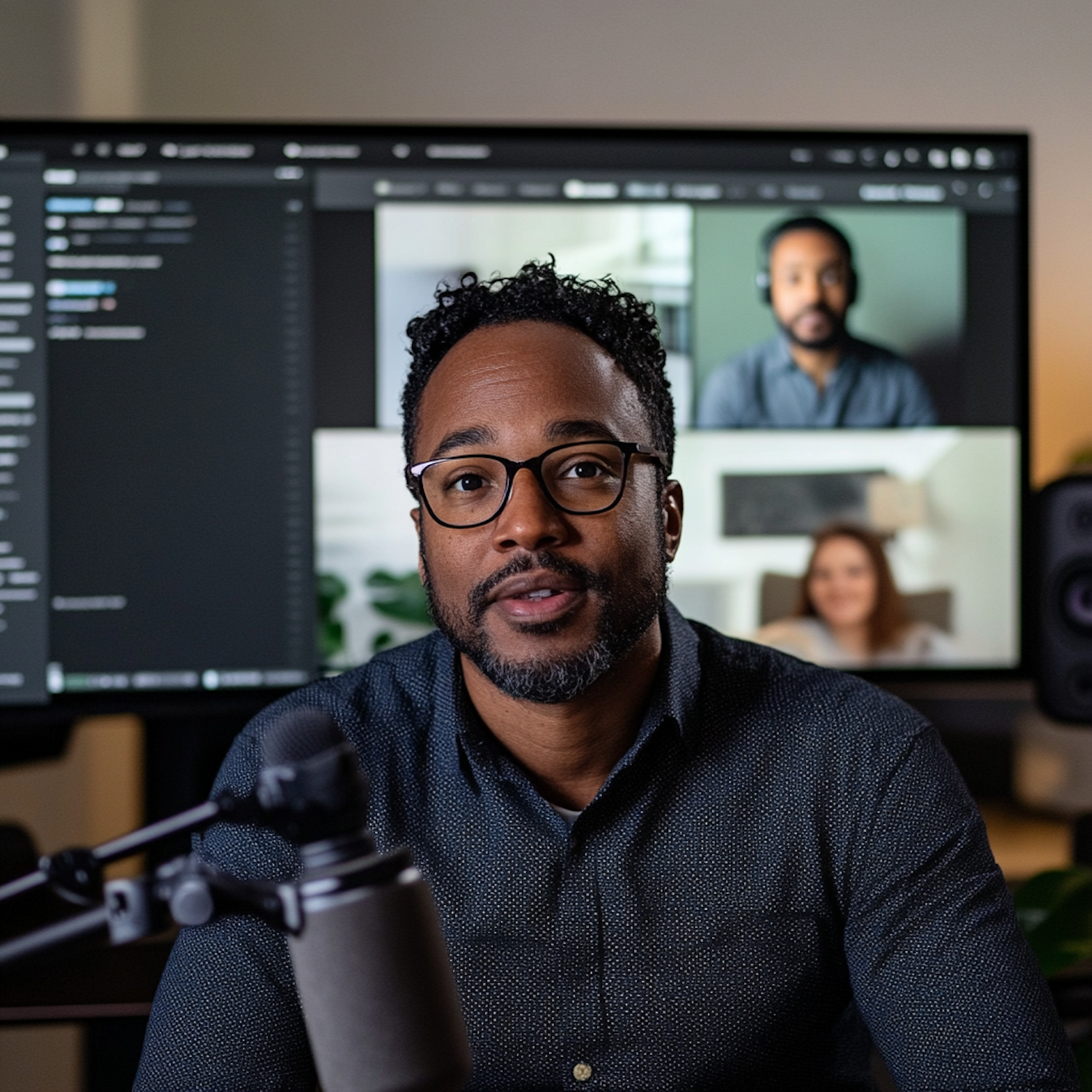
Remote interviews in 2026 are designed to test more than just your HR knowledge. They evaluate your communication, your discipline, and your ability to be a proactive team member from a distance. Here’s how to prepare.
Understand Common Remote Interview Formats
Knowing what to expect helps you prepare the right way. Remote HR interviews typically follow a few stages.
- The Initial Phone or Video Screen: This is often a quick call with a recruiter or HR manager to confirm basic details and your interest. It’s a screening interview, a standard step to identify top talent efficiently before deeper rounds. Be ready to succinctly summarize your background and why you want this specific remote jobs role.
- The Core Video Interview: This is your main meeting, usually via Zoom, Google Meet, or Microsoft Teams. It might be with your potential manager, a panel, or future teammates. Experts note that video interviews can feel rushed, so preparing your environment and technology in advance is critical.
- The Practical or Skills Assessment: For many work from home jobs, you might be given a task. This could be analyzing a sample HR data set, drafting a communication for a hypothetical scenario, or walking through your approach to a common HRIS problem.
Prepare for Technical and Behavioral Questions
Your preparation needs to cover both the "what" you know and the "how" you work.
For Technical & Role-Specific Questions:
- Review Core HR Knowledge: Be ready to discuss compliance updates, benefits administration, or recruitment cycles relevant to the role.
- Discuss Tools: Mention your hands-on experience with specific HR platforms (like Workday, BambooHR, or UKG). This technical comfort is valued in all remote fields, similar to the need for specific skills when pursuing remote IT support jobs.
For Behavioral & Situational Questions:
This is where you prove your remote work readiness. Use the STAR method (Situation, Task, Action, Result) to structure clear answers.
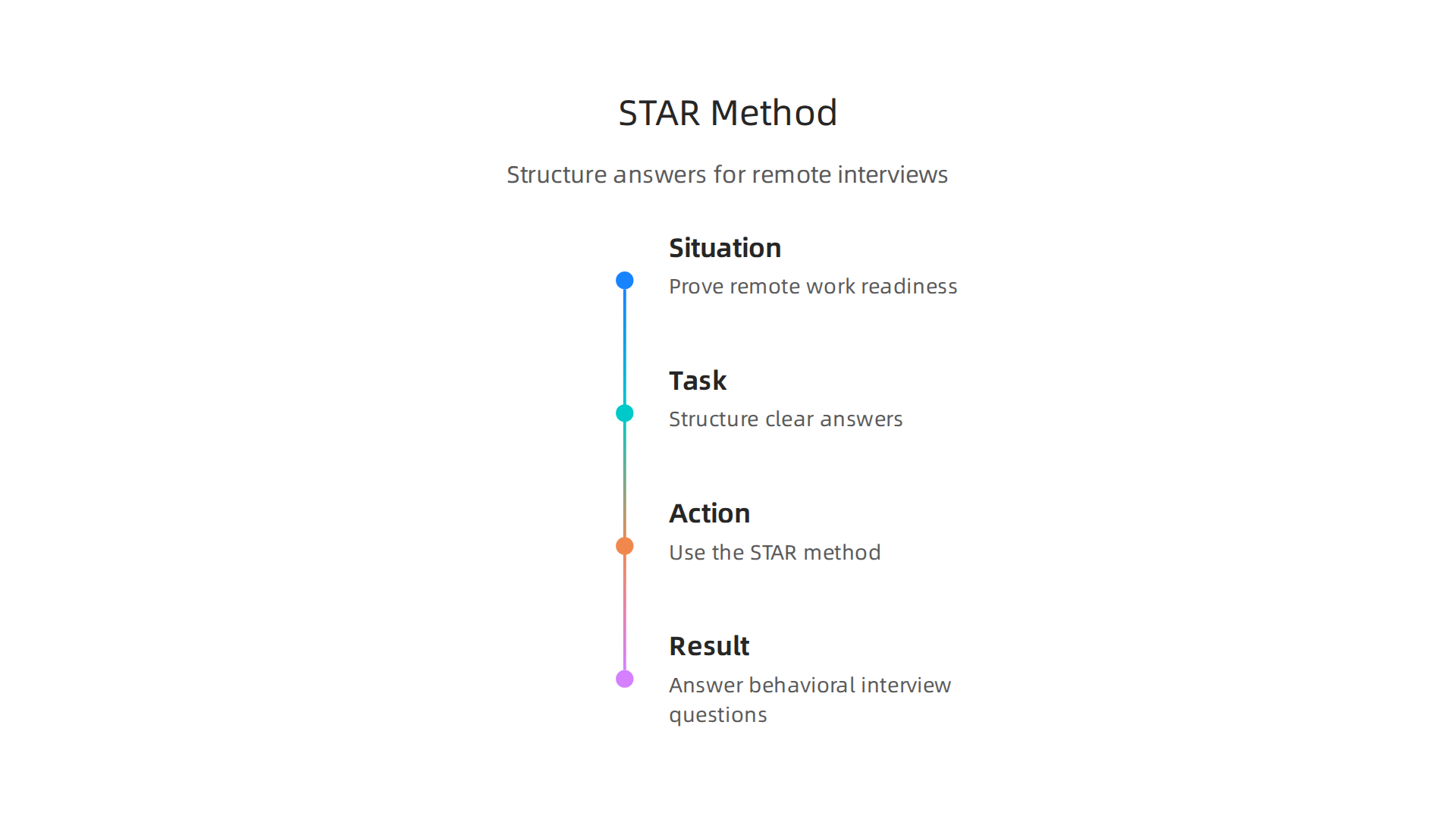
Hiring managers in 2026 are looking for concrete proof you can handle the autonomy of remote work.
| They Might Ask… | What They Really Want to Know | How to Answer Well |
|---|---|---|
| "Describe a time you resolved a conflict remotely." | Can you handle sensitive situations without in-person cues? | Tell a story about mediating an issue via video call, emphasizing active listening and clear follow-up emails. |
| "How do you stay organized and motivated without direct supervision?" | Are you self-driven and accountable? | Explain your personal system (digital planners, time-blocking) and give an example of a project you owned start-to-finish. |
| "Tell me about a successful project you managed with a distributed team." | Can you collaborate and lead from afar? | Highlight the tools you used (Slack, Asana) and how you kept everyone aligned and engaged across time zones. |
The key is to prepare specific narratives, not scripts, using real stories to demonstrate collaboration and ownership.
Demonstrate Remote Work Readiness During the Interview
Your answers are important, but your entire presentation speaks volumes.
- Master Your Setup: Test your camera, microphone, and internet connection long before the call. Choose a quiet, well-lit space with a neutral background. A clean, professional setup shows you take this opportunity seriously. Simple virtual interview tips, like eye contact with the camera and minimizing distractions, make a huge difference in appearing professional.
- Showcase Proactive Communication: Speak clearly and concisely. After the interview, send a thoughtful thank-you email within 24 hours. Reiterate your interest and briefly reference a specific topic you discussed. This demonstrates the precise written communication skills vital for remote success.
- Ask Insightful Questions: Your questions should reflect your understanding of remote work. Ask about:
- "What does team communication and collaboration look like on a daily basis?"
- "How is performance and success measured for this remote role?"
- "What tools does the team rely on most to stay connected?"
By approaching your remote interview with this level of strategic preparation, you do more than just answer questions. You actively demonstrate that you are a reliable, communicative, and effective professional built for the future of hr remote jobs usa. You show them you’re already working like a remote team member would.
Career Growth and Advancement in Remote HR
You have learned how to land the interview and succeed in it. Now, let’s look ahead. What does a long-term career path look like in the world of hr remote jobs usa? Can you really grow from a specialist to a manager while working from home? The answer in 2026 is a clear yes.
The demand for skilled HR professionals is higher than ever, and companies are fully embracing remote leadership. Data shows that employers are hiring more remote HR leaders as they build permanent remote teams. This means your full time remote jobs can lead to serious advancement.
Clear Pathways for Advancement
Your career in remote HR can follow a natural progression, much like an in-office role. It often starts with mastering a specific area.
- Start as a Specialist: You might begin as a remote Recruitment Coordinator, HRIS Analyst, or Benefits Specialist. These roles let you build deep expertise in one part of HR.
- Grow into a Generalist or Business Partner: With broader experience, you can move into a remote HR Generalist or HR Business Partner role. Here, you handle a wider range of issues for a specific department or region, all from your home office.
- Advance to Manager and Director: Proven success as a remote individual contributor opens the door to leadership. Remote HR Managers and Directors lead teams, design programs, and shape company culture virtually. Lists of the best remote HR jobs in 2026 consistently include these senior, high-paying roles.
Commit to Continuous Learning and Certifications
Staying sharp is non-negotiable. The HR field changes fast, and remote work adds new layers of complexity. Proactively learning is your ticket to promotion.
- Pursue Recognized Certifications: Earning credentials like the SHRM-CP, PHR, or specialized certificates in remote team management or HR analytics makes your resume stand out. It shows you are serious about your craft.
- Stay Updated on Trends: The job outlook for human resources is more exciting than ever, with HR at the center of how companies adapt to new ways of working. Follow thought leaders, take online courses, and read industry reports to stay ahead. Resources that explore the future of HR trends and high-demand careers can guide your learning path.
Build Your Professional Network Remotely
"Out of sight, out of mind" is the old fear. You must actively fight it by building a strong remote network.
- Engage on Professional Platforms: Be active on LinkedIn. Comment on posts, share insights, and connect with other HR professionals. Join virtual HR communities and Slack groups.
- Seek Virtual Mentorship: Don’t be afraid to ask a senior HR leader for a virtual coffee chat. Many are happy to share advice. A strong network provides support, advice, and can be the source of your next big opportunity.
- Showcase Your Work: Contribute to projects with visible results. Volunteer for cross-functional teams. When you deliver value consistently, people remember your name, not your location.
The path for growth in remote jobs usa legit HR roles is real and well-defined. By specializing, continuously learning, and consciously building your network, you can build a rewarding, upward-moving career entirely from home. The future of HR is remote, and your future within it is what you make it.
Common Pitfalls and How to Avoid Them
Finding and thriving in hr remote jobs usa is an amazing opportunity, but the path has its own unique bumps. Knowing the common mistakes can save you a lot of time and stress. Let’s look at the biggest pitfalls for remote HR professionals and how to steer clear of them.
Mistake 1: Searching on the Wrong Job Boards
The biggest search error is using only the biggest, most general sites. While platforms like LinkedIn and Indeed have listings, the best remote jobs usa legit in HR are often on specialized boards. Spending all your time on general sites means you might miss the best opportunities.
How to Avoid It: Be strategic. Use niche remote job boards that cater to professional roles. In 2026, guides highlight that the best remote jobs often don’t make it to the big boards. Focus your energy on sites dedicated to remote jobs, like those listed in comprehensive reviews of the best remote job boards for 2026. For HR specifically, check specialized boards like Built In’s remote HR jobs section.
Mistake 2: Underestimating the Remote Work Culture Shift
Getting the job is one thing. Succeeding in it is another. A major pitfall is treating a remote HR role exactly like an office job. Remote work requires more proactive communication, different relationship-building skills, and a higher degree of self-motivation. Failing to adapt can make you seem disconnected.
How to Avoid It: From day one, over-communicate. Schedule regular video check-ins, use collaboration tools clearly, and make your work visible. Learn the tech that powers remote teams. Just as IT support professionals need to master remote tools, you should too. Building a strong, positive digital presence is key. For more on adapting to a remote tech environment, you can explore this guide on how to land remote IT support jobs on Indeed.
Mistake 3: Letting Work and Life Blend Into One
This is the classic challenge of work from home jobs. Without a physical office to leave, your work can creep into your personal time. For HR professionals who often deal with sensitive employee matters, this blurring can lead to burnout fast. Your home is now your office, but it should not be your entire life.
How to Avoid It: Create firm boundaries. Set a consistent schedule for your full time remote jobs and stick to it. Use a separate room or a specific desk if you can. Communicate your working hours to your team and household. Most importantly, have a shutdown ritual at the end of your day, like a short walk or closing your laptop and putting it away. Protect your personal time as diligently as you protect company data.
By being smart about where you search, adapting your mindset for a digital workplace, and guarding your personal time, you can avoid these common traps. A successful career in remote HR is not just about getting the job, it’s about mastering the unique rhythm of working from home.
Summary
This article is a practical guide to finding and succeeding in HR remote jobs in the USA, showing how the market has shifted to permanent remote and hybrid models and why demand is surging. It breaks down current trends, realistic salary expectations, and the industries most actively hiring remote HR professionals. You’ll learn the technical, soft, and self-management skills employers want in 2026, how to search reputable job boards, and how to spot scams and low-quality listings. The guide also explains how to tailor your resume and cover letter for remote roles, prepare for common remote interview formats and assessments, and map realistic career growth paths while working from home. After reading, you’ll know where to look, how to present remote-ready experience, how to interview effectively, and how to build a long-term remote HR career.