Find Remote Sales Jobs USAJOBS Gov A Successful 2026 Federal Strategy

Quick overview: Why this guide matters for remote sales job seekers
Are you looking for a remote sales job? Many people are.

In fact, from 2019 to 2025, the number of job ads allowing remote work grew more than three times in the U.S. (Source: Remote Work Across Jobs, Companies, and Space). This guide helps you explore a special place to find these jobs: usajobs gov. This is the official website for U.S. federal government jobs.
Finding a remote sales role on usajobs gov is a bit different from looking on other sites like dice jobs or using a general google job search remote. While sites like Dice job search show many private company listings, usajobs gov offers unique benefits, like stable work and good benefits, but also has special rules. You won’t usually find a "job lot" of typical sales roles here. Instead, you’ll find positions that need similar skills, such as reaching out to people, making partnerships, or telling others about government programs. These roles are official, so you can trust they are real and not scams.
But here’s the thing: applying for federal jobs is not the same as applying for jobs in the private world. The federal government uses a specific process for hiring and looking at skills, job titles, and experience (Source: Merit Hiring Plan). You will need a special kind of resume, called a federal resume. Also, while federal agencies are putting more rules in place for remote work in 2026 (Source: March 10, 2026 CBCA 8761-RELO In the Matter of BRANDON A …), some roles might still have specific location needs.
This guide is here to give you clear, easy steps for finding, checking, applying for, and interviewing for remote sales positions on usajobs gov. We will also talk about how these jobs can help your career grow over time. We will provide helpful checklists, ways to make sure the jobs are a good fit, tips for your federal resume, and advice for your interview. Our goal is to make sure you feel ready and confident as you look for a remote federal job. If you want to see how to search efficiently, you can check out this helpful video on How to Find Federal Government Jobs in the US 2026.
Searching for remote roles on usajobs gov means knowing how to filter correctly. You can type "remote" in the location search box or use the "More filters" option to find jobs that let you work from anywhere (Source: How to filter results by remote jobs). It’s important to understand these unique steps to successfully navigate the federal job market.
If you are just starting out with remote work, you might also find our guide on finding at-home jobs with no experience useful for general remote job advice.
Why consider USAJOBS.gov for remote sales roles (pros and realistic expectations)
When you look for a job, you might think of sites like dice jobs or a general google job search remote. These often show a job lot of private company roles. But usajobs gov is different. It’s the official place for U.S. federal government jobs. It offers special benefits that private jobs often don’t.
Types of Remote "Sales-Like" Roles
You won’t find a direct "sales representative" title selling products on usajobs gov. Instead, federal agencies need people with skills that are much like sales skills.
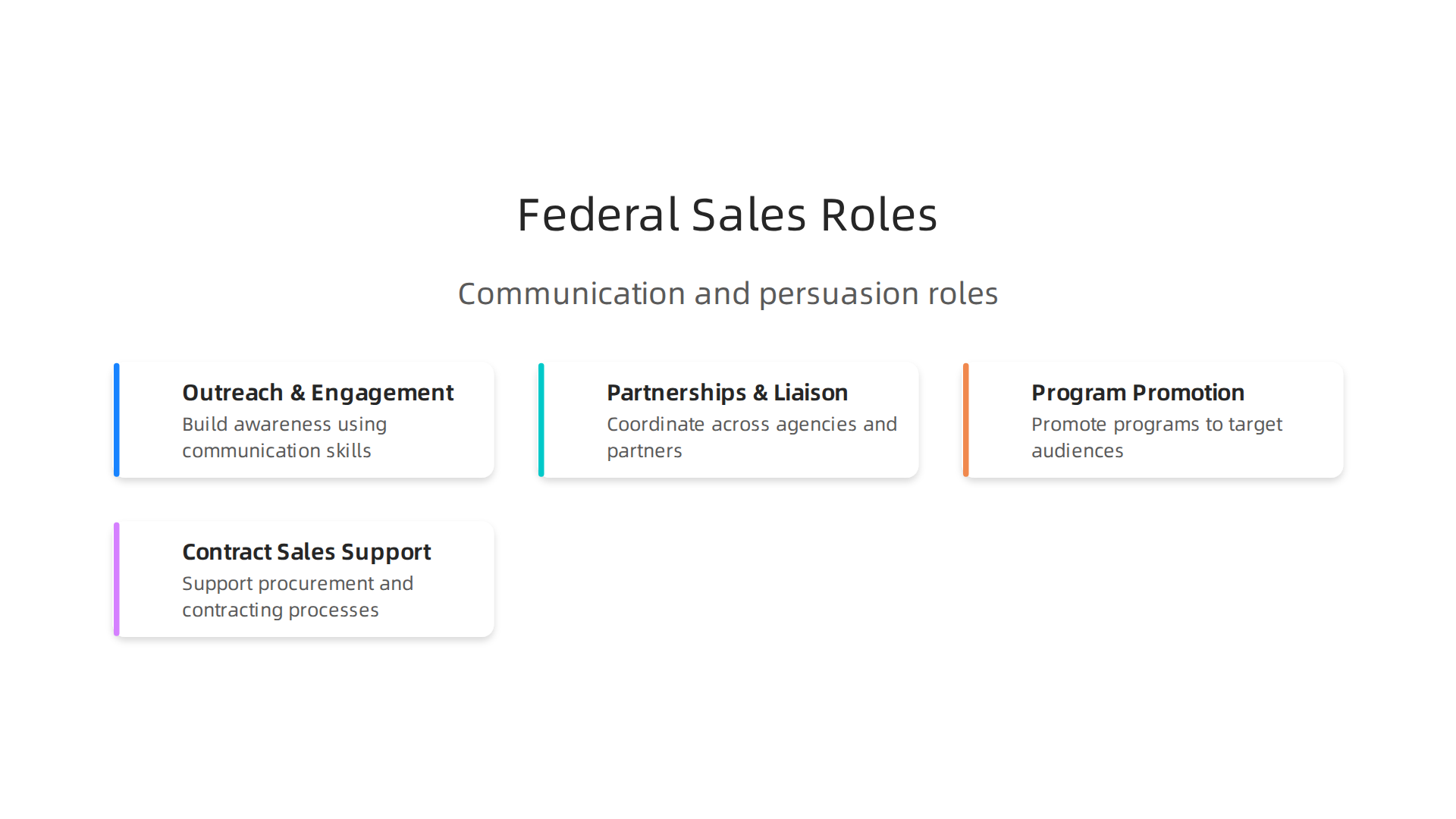
Think about roles that involve:
- Outreach and Engagement: These jobs focus on telling people about government programs or services. You might connect with the public or specific groups to get them to use what the government offers. For example, a "Public Affairs Specialist" often does this.
- Partnerships and Liaison: Some roles involve working with different groups, businesses, or other governments. This is like building relationships and getting others to work together, much like a business development role.
- Program Promotion: You might help make sure a government program is well-known and used. This includes explaining its benefits and getting people to sign up. A "Program Manager" might have these duties.
- Contract Sales Support: While not direct selling, positions like "Contract Specialist" manage agreements with companies. This needs good communication and negotiation skills, much like sales.
These roles are all about informing, building trust, and getting people or groups to engage with government goals. They use your communication and persuasion skills in a public service way.
Legitimacy and Stability Advantages
One big reason to consider usajobs gov is trust. In 2026, job scams are still a real problem online. Many job boards have tricky postings that can waste your time or even harm you, as the Federal Trade Commission warns about job scams. But every job on usajobs gov is a real, verified government position. This means you don’t have to worry about spotting fraud signs or if the job is fake.
Also, federal jobs are known for being stable. They often come with good benefits, like health care and retirement plans. This can be a huge plus compared to many private sector jobs, especially contract work.
Realistic Expectations and Limitations
While federal jobs offer stability, it’s important to have real expectations.
- Hiring Time: The hiring process can take a lot longer than in the private sector. It often involves many steps and reviews. So, if you need a job quickly, this might not be your fastest option.
- "Remote" Can Be Tricky: While many federal jobs are remote, agencies are setting more clear rules for remote work in 2026. This means some "remote" roles might still need you to live in a certain area or come into an office sometimes. Always check the job description carefully for specifics about location and travel.
- Security Clearance: Many federal jobs require a security clearance. This is a deep background check that can take a long time to finish. You can’t start work until it’s done.
- Federal Employee vs. Contractor: Most jobs on
usajobs govare for federal employees. These are direct government hires with full benefits. Sometimes, you might see jobs that are "contractor" roles. These are usually hired through private companies that work for the government. They might not have the same benefits or long-term stability as a direct federal employee job. For remote sales-like roles, you’ll mostly be looking for federal employee positions to get those great benefits and job security.
Considering a remote federal role means looking past typical sales titles and understanding the unique nature of government work. If you’re looking for more general guidance on working from home, you might find our article on high-paying part-time remote jobs helpful for understanding different remote work options.
Finding remote "sales-like" jobs on USAJOBS.gov can be a bit different from searching other job sites like dice jobs or a general google job search remote. You need a smart plan because the government uses different terms. Here’s how to search USAJOBS.gov well for those remote openings in 2026.
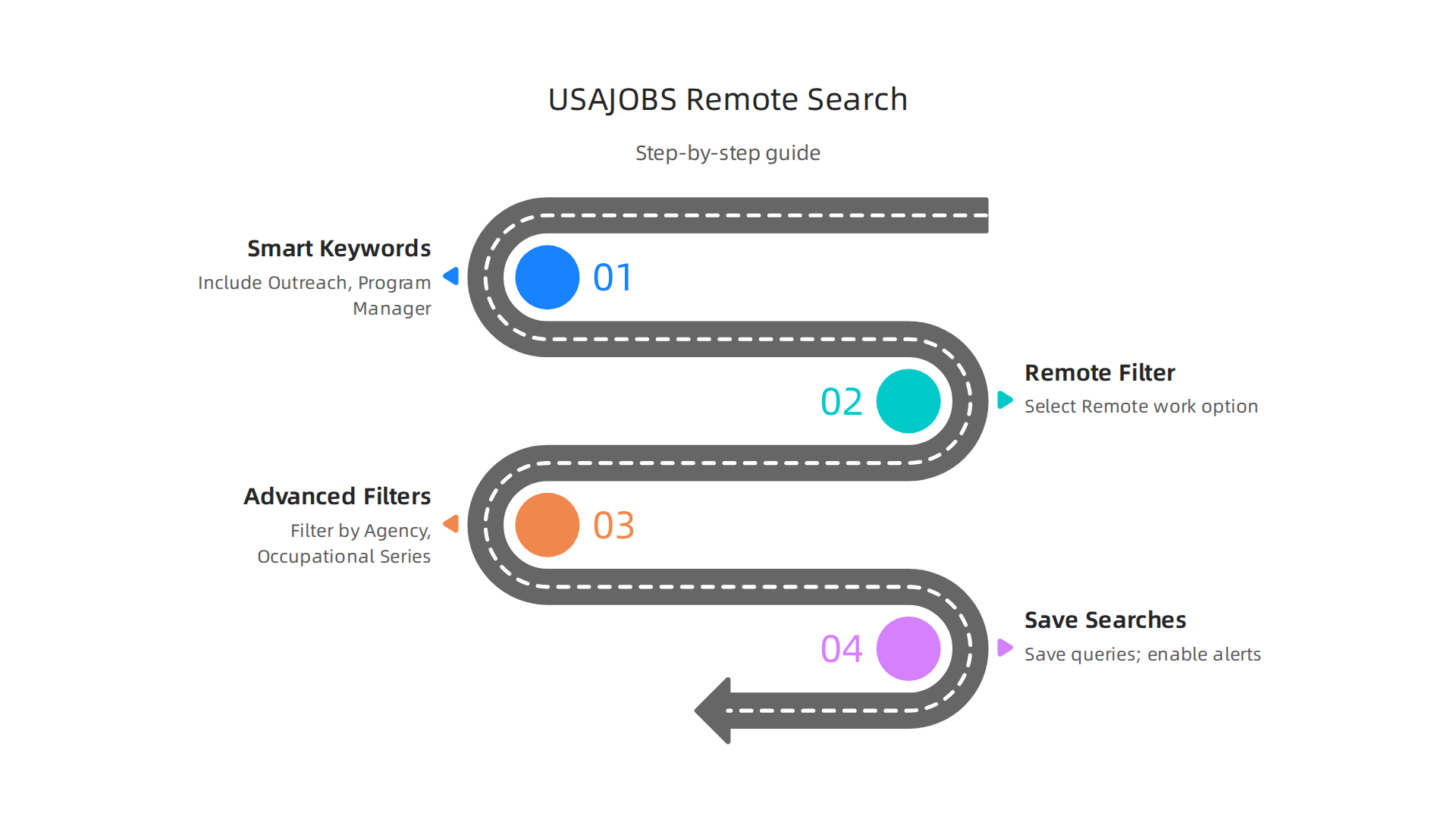
Step-by-Step Search Strategy
Think of searching on USAJOBS.gov like looking for a hidden treasure. You need the right map and tools.
-
Start with Smart Keywords: Don’t just type "sales representative." Federal jobs use special titles. Try words that mean "sales-like" roles, such as:
- "Outreach"
- "Engagement"
- "Public Affairs Specialist"
- "Program Manager"
- "Liaison"
- "Contract Specialist"
- "Communication Specialist"
You can try broad terms first, then make them more specific.
-
Use the "Remote" Filter: This is very important. On USAJOBS.gov, you can type "remote" into the location search box or use the "More filters" option to specifically choose "Remote jobs" (excluding or only showing them) [^9][^10]. This helps narrow down a large
job lotto only work-from-home options. Remember that even "remote" jobs might have rules about where you live or if you ever need to visit an office, so always check the job details carefully [^1]. -
Explore Advanced Filters:
- Agency: If you know you want to work for a certain government branch, like the Department of Defense, you can filter by that [^2].
- Occupational Series: This is a group of jobs with similar duties and skill needs. While not always obvious, looking at series numbers for communication or program management jobs can help.
- Salary Range: You can set how much money you want to make.
- Experience Level: This helps find jobs that fit your work history, whether you’re just starting or have many years of experience.
-
Save Your Searches and Get Alerts: USAJOBS.gov lets you save your search settings. Even better, you can sign up for email alerts [^11]. This means the website will send you new job openings that match your saved searches. This way, you won’t miss out on fresh opportunities as soon as they appear.
Understanding Job Announcements
Federal job postings on USAJOBS.gov have specific parts you need to understand:
- Job Series and Grade: The "series" is like the job family. The "grade" is about the pay level and how much experience is needed. For example, a GS-07 is an entry-level professional, while a GS-13 is a much more experienced position. This tells you if the job is a good fit for your current career stage.
- Appointment Type: This shows if the job is "Permanent" (a long-term position) or "Term" (for a set period, like one to four years). For stability, most people look for permanent roles.
- Position Sensitivity: Many federal jobs need a security clearance. This is a background check that can take a long time. The announcement will tell you if it’s needed [^6]. You cannot start until it’s done.
- Remote Eligibility Details: Always, always read the full job description. Look for phrases like "telework eligible," "remote position," or "location negotiable" [^9]. Sometimes a job might say "remote" but still require you to live in a specific area or be available for travel.
Practical Tips for Finding Remote Federal Jobs
- Mix and Match Keywords: Try different combinations of keywords with the "remote" filter. For example, "Outreach Remote" or "Program Promotion Telework."
- Read Everything: Federal job applications need careful attention. Make sure to read the whole announcement, sometimes many pages long. This includes understanding the specific duties and how to apply properly [^15].
- Use Video Guides: If you are new to USAJOBS.gov, there are helpful videos online that walk you through how to use the search features and filters effectively. This can be a great way to learn quickly how to find remote federal government jobs [^12].
- Check Often: New jobs are added regularly. Using saved searches and alerts helps, but it’s good to check the site yourself now and then.
By using these tips, you’ll be much better at finding remote federal jobs that use your sales-like skills on USAJOBS.gov. If you’re looking to explore other remote job options, especially those that might leverage similar communication skills, consider learning more about how to land remote HR jobs in the USA.
Verifying Listings and Avoiding Scams: A Practical Checklist
Even though USAJOBS.gov is the official government job site, it’s always smart to be careful. Just like when you search on dice jobs or do a general google job search remote, scams can pop up anywhere online. In 2026, it’s more important than ever to know how to tell a real job from a fake one. Being careful helps you protect your time and your personal information.
Here’s a simple checklist to help you verify job listings and stay safe:
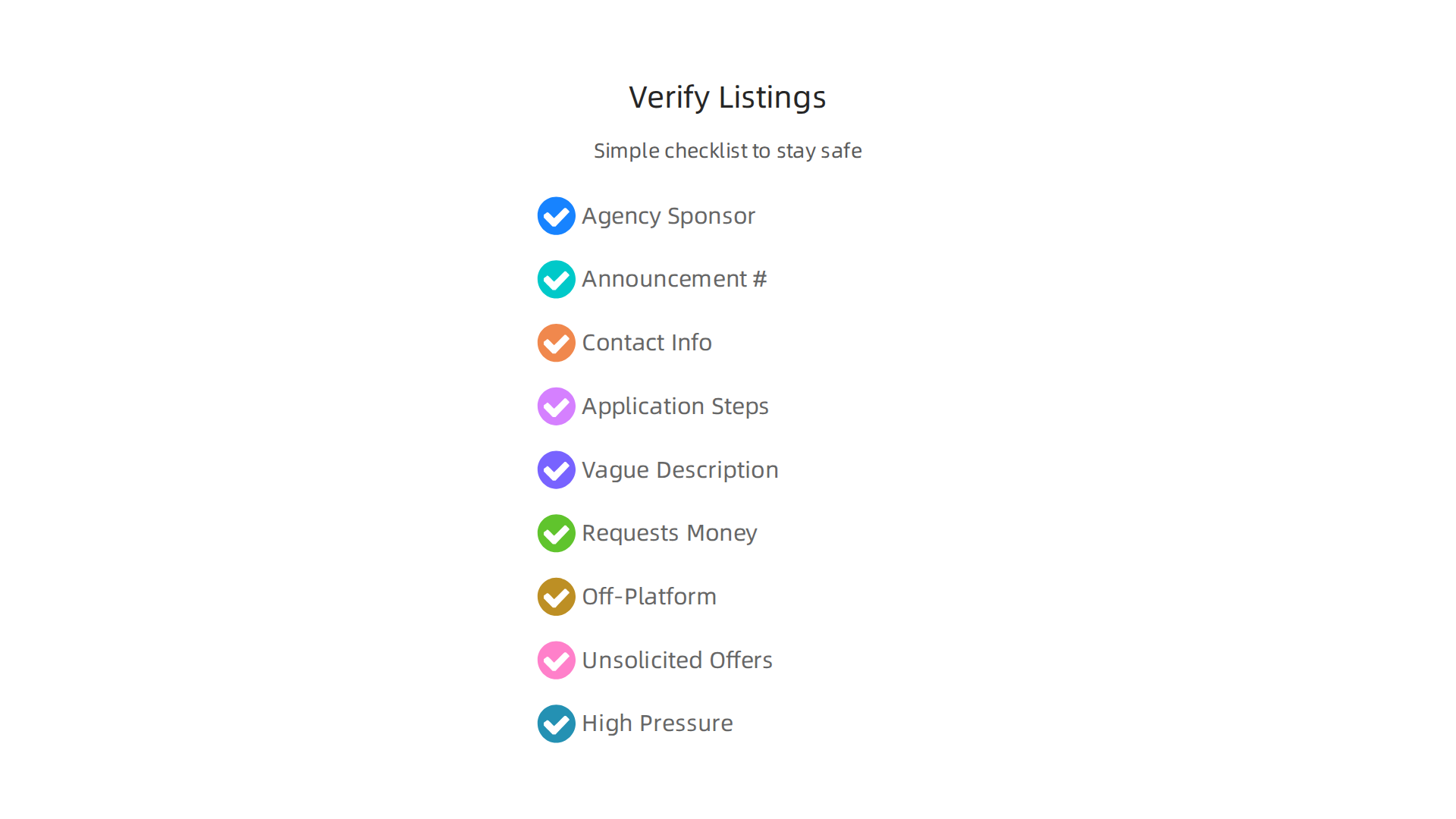
Checklist for USAJOBS.gov Listings
When you find a remote job on USAJOBS.gov, make sure to check these things:
- Official Agency Sponsor: Does the job clearly show which government agency is hiring? For example, is it the Department of Defense or the Department of Energy? It should be very clear.
- Job Announcement Number: Every real federal job has a unique announcement number. This number helps track the job. Make sure it’s there and looks correct.
- Contact Information: Is there a way to contact someone in the agency about the job? This contact info should be right there on the USAJOBS.gov page, not just a random email address.
- Application Instructions: All steps for applying should happen directly on USAJOBS.gov. If a listing asks you to apply by sending an email to a strange address, or to a website that is not a government site, be very careful.
Red Flags to Watch Out For
Even on official sites like USAJOBS.gov, some things should make you pause. These are big warning signs [^1]:
- Vague Job Titles or Descriptions: If the job title doesn’t quite match the work, or the description is very unclear, that’s a red flag [^2]. Real federal jobs usually have very specific details.
- Requests for Money: A real job will never ask you to pay money for anything, like training materials, background checks, or equipment [^6]. If they ask for money, it’s a scam.
- Off-Platform Communication: If someone quickly tries to move your conversations to personal email, text messages, or apps like WhatsApp, be cautious [^5]. Official communication usually happens through official channels.
- Unsolicited Offers: Did you get a job offer that you never applied for? Be very careful. Scammers sometimes send fake offers to many people hoping someone falls for it [^4].
- Pressure to Act Fast: Scammers might try to rush you into making decisions or giving information. They want you to act before you have time to think and check things.
How to Confirm a Listing Is Real
Before you spend a lot of time applying to a job lot of postings, do some extra checking:
- Check the Agency’s Website: Go directly to the official website of the agency that is supposedly hiring. See if the same job is listed there. If it’s not on their official site, it might not be real [^3].
- Search Online: Type the job title, agency name, and the words "scam" or "review" into a search engine. See if others have reported problems with this specific listing or agency [^6].
- Look for Consistency: Does all the information match up? Are the dates, contact names, and job details the same across different sources? Any big differences are a bad sign.
Learning how to spot job scams is a key skill for remote job searching in 2026 [^1]. By using this checklist and staying alert, you can safely look for your next remote opportunity on usajobs gov.
If you’re looking for more general advice on spotting scams across different platforms, you can find helpful information on how to avoid job scams from the Federal Trade Commission [^1]. You can also watch a video about job scams in 2026 [^7].
Top remote sales skills and credentials that win federal-style hiring panels
Getting a remote sales job with the federal government through usajobs gov is a bit different from a regular google job search remote. You need to show that you have the right skills and papers to stand out. In 2026, many of the same good sales skills still matter, but you have to show them in a way that federal hiring managers understand.
Key Remote Sales Skills Employers Look For
Federal agencies want people who can sell, even if they work from home. Here are some important skills they look for [^2]:
- Talking Well Online: You’ll spend a lot of time on video calls, sending emails, and using chat programs. Being clear and friendly when you can’t see someone face-to-face is a big deal.

You need to be good at virtual communication.
- Knowing How to Use CRM Tools: Many jobs, including federal ones, use special computer programs called CRM (Customer Relationship Management) to keep track of customers and sales. Knowing how to use popular ones like Salesforce can really help you [^5]. This skill is very much in demand for remote roles [^3].
- Managing Your Sales Plans: This means you know how to find new leads, talk to potential buyers, and move them closer to making a deal. It’s like having a map for your sales journey and making sure you follow it.
- Showing Your Results with Numbers: Federal jobs love numbers. Instead of just saying "I sold a lot," you should say "I increased sales by 20% in one year." Showing how you’ve done well with clear numbers tells them you can get things done.
Useful Certifications and Training
Getting special training or a certificate can make your application shine. These show you’ve learned important skills. In 2026, many online courses and certificates are great for remote jobs [^1], including remote sales [^4].
- Sales Certificates: Look for courses that teach you core sales skills. Programs focusing on tech sales or general sales strategies can be very helpful [^5, ^8].
- Software Training: Learning about specific software, like getting a Salesforce certification, can be a big plus [^5].
- Digital Skills: Any certificates in digital marketing or cloud computing also show you are good with technology, which is key for remote work [^7].
You can find many online courses that teach these skills. Some are even free or cost little money [^6].
How to Show Your Experience on Federal Applications
Putting your experience into a federal application, especially on usajobs gov, is different. You can’t just copy your private-sector resume. Here’s how to do it:
- Use the Right Words: Federal applications often ask for your "Knowledge, Skills, and Abilities" (KSAs) or specific "competencies." These are long answers where you explain how your past work matches what they are looking for.
- Tell Stories with Numbers: When you describe your past sales successes, always include numbers. For example, "Managed a pipeline of 50 clients" or "Closed deals worth $X amount."
- Show How You Work Alone: Since these are remote jobs, talk about how you are good at working by yourself, staying organized, and meeting goals without someone always watching over your shoulder.
Even if you don’t have direct federal experience, you can translate your skills from other dice jobs or any dice job search into language that fits federal needs. Focus on how your abilities can help the government agency reach its goals.
If you are just starting out and looking for remote opportunities with little sales experience, learning these skills is a great first step. You can find more tips on how to begin a remote sales career without prior experience by checking out our guide on finding at-home jobs with no experience in 2026.
Getting a remote sales job with the government is a special kind of hunt. It’s very different from a regular google job search remote. You need to make sure your resume and application speak the federal language, especially on usajobs gov.
What Makes a Federal Resume Different?
Federal resumes are not like the short, one-page resumes you might use for other companies. They are often much longer and have more details
[^11]. Here’s why they stand out:
- More Detail, Less Formatting: Instead of quick bullet points, federal resumes describe your jobs in great detail. They want to know exactly what you did, how you did it, and what the results were. The
usajobs govresume builder guides you step-by-step to create the right format [^10, ^12]. It doesn’t use fancy formatting like bold or italics [^11]. - Knowledge, Skills, and Abilities (KSAs): Many federal jobs ask you to write special essays called KSAs. These are long answers where you show how your past work matches the specific skills the job needs. You have to clearly explain your abilities.
- Evidence of Accomplishments: Federal hiring managers love numbers and proof. Don’t just say you’re good at sales; show how you increased sales by a certain percentage or managed a large number of clients.
- Page Limit in 2026: Actually, from late 2025,
usajobs govwill generally limit resumes to two pages [^14, ^16]. This means you still need a lot of detail, but you must be smart about how you write it. It’s a new challenge for applicants in 2026!
Making Your Remote Sales Experience Shine
When you write your resume for a remote federal sales job, focus on these points:
- Match the Job Posting: This is super important. Read the job announcement on
usajobs govvery carefully. Use keywords from the announcement in your resume. If they ask for "virtual communication skills," make sure you mention your experience with video calls and online meetings. - Structure with Numbers: For each past job, list your duties and, more importantly, your achievements. Use action verbs and numbers to show your impact [^12].
- Example: Instead of "Responsible for sales," write "Grew remote client base by 15% in one year."
- Example: "Managed a sales pipeline of 75 potential clients through CRM software."
- Highlight Remote Success: Since you’re looking for a remote job, talk about how you work well on your own. Mention your ability to stay organized, manage your time, and meet goals without direct supervision. Show you are great at using digital tools for sales, too.
Avoiding Mistakes Before You Apply
Applying for federal jobs can be tricky. It’s easy to make a small mistake that could stop your application. Here are some tips:
- Read Everything Twice: Check all parts of the job announcement on
usajobs gov. Make sure you understand all the requirements. - Complete All Sections: Federal applications often have many sections and questions. Don’t skip any. An incomplete application might not even be looked at.
- Attach All Documents: Sometimes you need to attach more than just your resume, like transcripts or veteran preference forms. Make sure everything is there.
- Use a Checklist: Before you hit submit, make your own small checklist. Did you answer all questions? Are your dates correct? Does your resume match the job posting?
Taking the time to prepare a great federal resume is worth it. It might seem like a lot of work compared to applying for dice jobs or a dice job search, but it greatly raises your chances of landing a remote sales role with the government. If you’re also exploring other government opportunities, you might find our guide on how to land remote sales CT state jobs in 2026 helpful.
So, you’ve put together a great federal resume and sent it in. What happens next? The government’s interview and selection process for a remote sales job is also quite specific. It’s not like the casual chats you might have for private companies you find through a regular google job search remote. Here’s what you should know to get ready for your USAJOBS interview in 2026.
What to Expect in Federal Interviews
Federal interviews are usually very structured. This means everyone gets asked the same questions, and there’s a clear way they score the answers. This helps make sure everything is fair.
- Structured and Panel Interviews: Often, you’ll talk to a group of people, not just one. This is called a panel interview. They will ask questions from a set list [^1]. You should expect to talk about your past work and how it matches the job’s needs.
- Behavioral Questions: These are common. They’ll ask you to "tell me about a time when…" you showed a certain skill. For a remote sales job, they might ask about a time you had to solve a problem with a customer online, or how you managed your time well while working from home. You’ll need to give real examples.
- Focus on Skills and Experience: The interviews will focus on your Knowledge, Skills, and Abilities (KSAs) and how you’ve used them. You need to show that you have what it takes for the job, with clear examples of your past successes [^1].
Remote Interview Best Practices
Since your sales job is remote, your interview will likely be remote too. This means you need to be ready for a video call.

- Tech Check: Make sure your internet works great. Test your camera and microphone beforehand. Nothing throws off an interview like tech problems.
- Environment Setup: Find a quiet, well-lit place where you won’t be bothered. A tidy background looks professional.
- Show Your Remote-Sales Skills: Think about how you can show you’re good at remote work during the interview. Talk about how you use video conferencing, CRM tools, and online chat to connect with clients and teammates. Explain how you keep yourself organized and meet deadlines without someone always watching over your shoulder.
- Articulate Measurable Impact: Just like with your resume, use numbers in your interview answers. If they ask about a sales project, don’t just say it went well. Say, "I increased sales by 20% by using new virtual presentation tools." This shows your real impact.
Background Checks and Security Clearances
After a successful interview, the process isn’t over. For many federal jobs, especially those that deal with sensitive information or require public trust, there are thorough background checks [^1].
- What They Are: These checks look into your past work, education, finances, and sometimes even your personal life. They want to make sure you are trustworthy and reliable.
- Security Clearances: Some federal roles need a security clearance. This means an even deeper check into your history to make sure you can be trusted with classified information. These can take a long time to complete.
- Timeline: Understanding these steps is key because they can make the hiring process longer than what you’d find for other positions, like those on
dice job search. Patience is important when waiting to hear back about a government remote sales job.
Preparing for these steps can feel like a lot of work, but being ready helps you stand out. If you’re looking for more general tips on starting a remote sales career, even with little experience, you might find our guide on how to find at-home jobs no experience in 2026 very helpful.
Once you get a remote sales job with the government or a contractor, you’ll start thinking about your next steps. How do you grow? How do you move up?

It’s important to plan your career path, whether you’re working directly for the government through usajobs gov or for a company that does work for them.
Growing Your Career in Government or Contracting
For federal employees, career growth often follows a clear path. Many government jobs use something called the General Schedule, or GS, system. You can move up in GS levels over time, which means more responsibility and higher pay. Think of it as a ladder with many rungs. You might start at a lower GS level and, with good work and training, move to a higher one. This is how you can increase your skills and earnings in a steady way.
Contractor roles, on the other hand, can be a bit different. You might work on many different projects for various government agencies. Growth here might mean taking on bigger projects, managing a team, or moving to a company that handles larger government contracts. Sometimes, you might even jump between different companies offering contract work.
Switching Careers into Government Remote Sales
Maybe you’re new to sales, or you’re coming from a different kind of job. Don’t worry, many skills you already have can help. For example, if you’ve done customer service, managed projects, or worked in marketing, those skills are great for remote sales. You just need to show how they connect.
If you already have remote work experience from jobs you found through a google job search remote, highlight that. Show how you’re good at working on your own and staying in touch with your team from afar. Getting special training or certifications can also make a big difference, especially in 2026. Many certifications can help you gain valuable skills for remote jobs, making you more attractive to employers https://www.tealhq.com/post/remote-job-certifications. For instance, learning about specific sales tools or digital marketing can open new doors. You can also build strong foundational sales skills with programs like the Salesforce SDR Professional Certificate https://coursecareers.com/blog-posts/best-tech-sales-courses.
It also helps a lot to meet people who work in these areas. Go to online events or join groups where government workers and contractors connect. Networking can help you learn about hidden job openings and get advice. If you’re looking for more tips on starting a remote sales career even with little experience, check out our guide on how to find at-home jobs no experience in 2026.
Choosing Between Federal and Contractor Roles
When you think about your future, you’ll want to weigh the good and bad of working directly for the government versus for a contractor.
- Federal Employment: Jobs on
usajobs govoften come with great benefits like good health insurance, steady pay raises, and a secure retirement plan. They also offer a lot of job stability. The career paths are often clear, as mentioned before, making it easier to see how you can grow. - Contracting Work: Working for a contractor might offer higher pay right away. You might also get to work on many different types of projects, which can be exciting. However, these jobs can sometimes be less stable, depending on if the company wins new contracts. You might find contractor jobs on websites like
dice job search, which often list more private sector or contract roles.
Think about what matters most to you. Do you want steady growth and strong benefits, or do you prefer potentially higher pay and more varied projects? Both paths offer great chances for a remote sales career.
Summary
This guide shows how to find and win remote, sales-like roles on USAJOBS.gov by explaining the differences between federal hiring and private-job sites, what kinds of government positions use sales skills, and how to search, apply, and interview successfully. You’ll learn keyword and filter strategies to surface telework-eligible listings, how to verify announcements to avoid scams, and how to translate your sales experience into federal language with a federal resume and KSA-focused answers. The article also covers realistic expectations—longer hiring timelines, possible location or clearance requirements—and practical tips for remote interviews, demonstrating measurable impact, and planning career growth in federal or contractor roles. By following the checklists and examples here, you’ll be prepared to target the right openings, complete a compliant application, and present your remote-sales strengths in a government hiring process.