Find At Home Jobs No Experience in 2026: Your Guide to Remote Sales

Why "at home jobs no experience" is a realistic path in 2026
Are you looking for a way to work from home but don’t have a lot of experience? Good news! In 2026, finding at home jobs no experience needed is more realistic than ever.
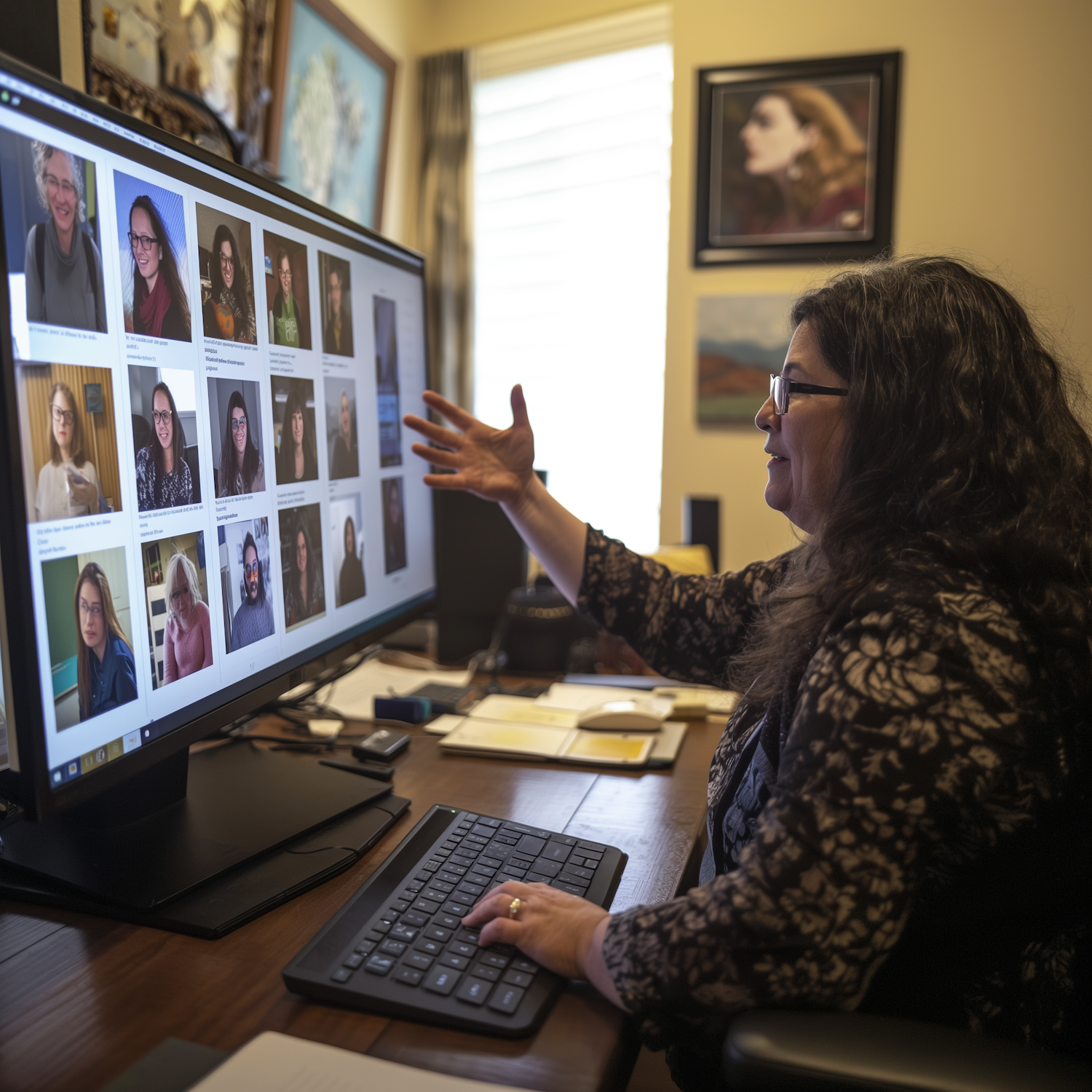
Many people are working remotely these days, and this has opened up lots of new chances for beginners and people changing careers. In fact, research from early 2026 shows that working from home continues to be a big part of how many people do their jobs now and in the future [1, 2].
This is especially true for entry-level remote sales jobs. Companies need people to help customers and sell products online, and they’re often ready to train the right person. So, if you’re a beginner, someone looking to try a new career path, or even an experienced worker wanting to switch to remote work, these types of online jobs no experience might be just what you need. They give you the flexibility to work from your own home.
However, it’s normal to have some worries. Maybe you’re concerned about finding a real work from home job no experience, or you’re scared of online scams that promise too much too fast [3]. You might also wonder if you have the right skills, how to do well in a remote job interview, or what your career path could look like after starting an entry-level role. These are all common thoughts.
Don’t worry, we’re here to help you. This guide will give you clear steps to find true remote jobs no experience. We will share a simple checklist to help you spot good job offers and avoid scams. You’ll learn about specific jobs that often hire people without much experience, like remote customer service roles. Plus, we’ll give you a clear plan and real tips to help you get hired and grow your career from home.
How to Spot Legitimate At-Home Sales Jobs (Avoid Scams)
Finding at home jobs no experience can be exciting, right? Many people want to work from home in 2026. But here’s the thing: with more opportunities, there are also more tricky scams out there. It’s really important to know how to tell the good jobs from the bad ones. Financial scams are a big problem these days, and job scams are part of that [1]. You want real work from home jobs no experience, not a headache.
Let’s look at some big warning signs that a job offer might not be real.
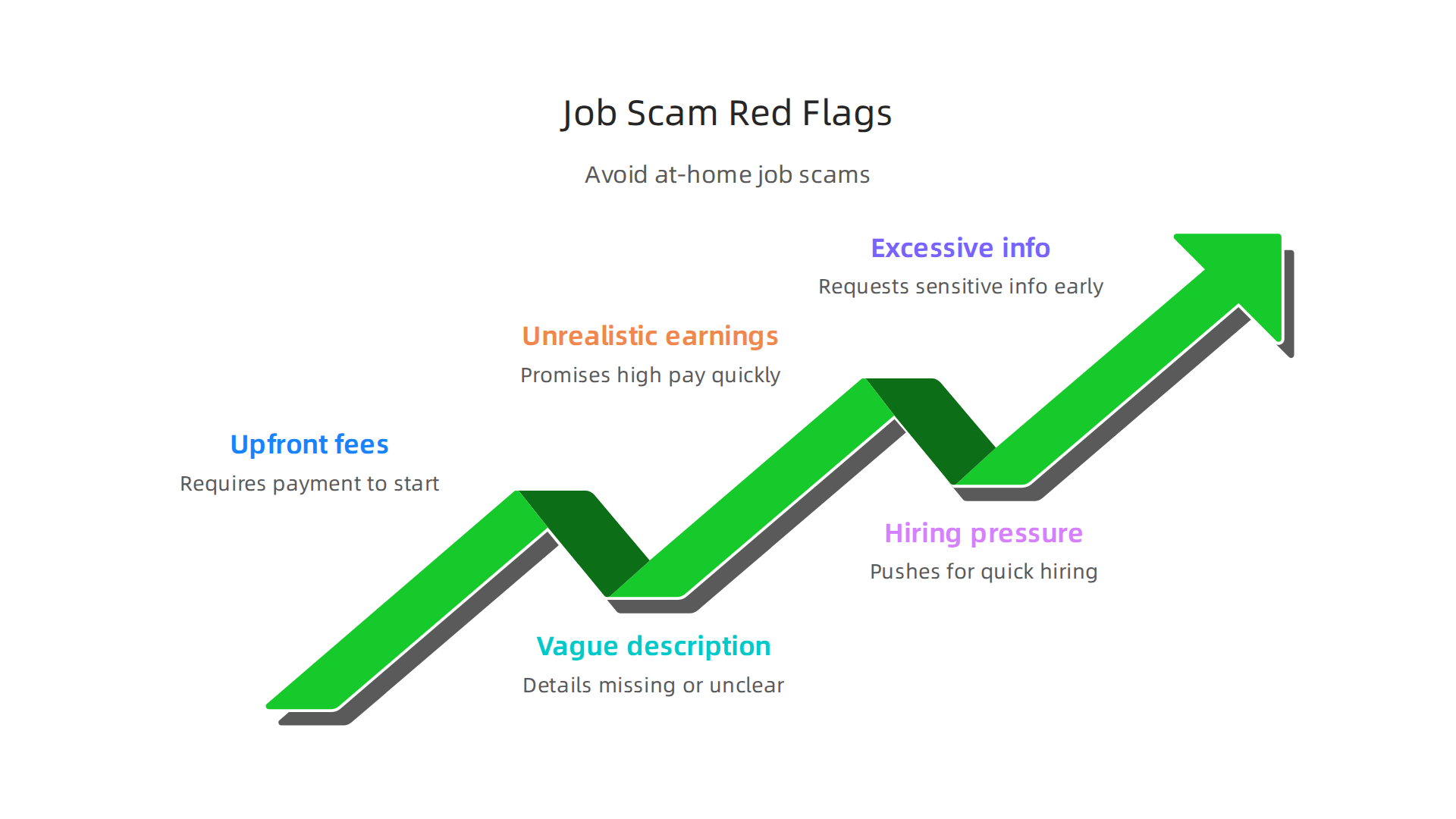
Red Flags: Watch Out for These Job Scam Clues
When you’re looking for online jobs no experience, keep an eye out for these things:
- They Ask for Money Upfront: A real company won’t ask you to pay them to get hired. They won’t ask for money for training materials, software, or a background check. If they do, it’s likely a scam [2].
- Vague Job Descriptions: Is the job post unclear? Does it say things like "be your own boss" or "easy money" without telling you what you’ll actually do each day? Real jobs have clear tasks and goals.
- Unrealistic Earnings Promises: If a job promises you can make thousands of dollars a week with very little effort or no experience, it’s probably too good to be true. Scammers often promise high pay to trick people into giving them personal information or money [3].
- Pressure to Hire Quickly: Scammers often try to rush you. They might say the offer is only good for a short time to stop you from thinking clearly or checking them out.
- Asking for Too Much Personal Info Early: Be careful if they ask for your bank account number, social security number, or other very private details before they even offer you a job or send you a contract.
Your Checklist to Verify a Remote Employer
Before you get too excited about any remote jobs no experience, take a few minutes to check them out.
-
Research the Company:
- Official Website: Does the company have a professional website? Does the website match the name in the job post? Look for contact information, like a real address and phone number.
- Online Reviews: Search for the company on sites like Glassdoor, Indeed, or LinkedIn. What do other people say about working there? No reviews at all can be a red flag.
- News: Has the company been in the news lately? Good or bad?
-
Understand the Role and Pay:
- Clear Tasks: Make sure the job description clearly states what you will be doing every day. If it’s a sales job, what will you sell? How will you find customers?
- Payment Details: How will you get paid? Is it hourly, salary, or commission? When will paychecks come? Make sure these details are clear before you agree to anything.
-
Check the Recruiter:
- Professional Email: Do they use a company email address (e.g., jane.doe@companyname.com) or a free email service like Gmail or Yahoo? Real companies almost always use their own email domain.
- LinkedIn Profile: Does the recruiter have a professional LinkedIn profile that matches the company they say they work for?
Quick Vetting Actions (10-30 minutes)
You can check out a job offer pretty fast. Here’s how:
- Google Search: Type the company name and "scam" or "reviews" into Google. See what comes up.
- Check the FTC: The Federal Trade Commission (FTC) gives advice on job scams.
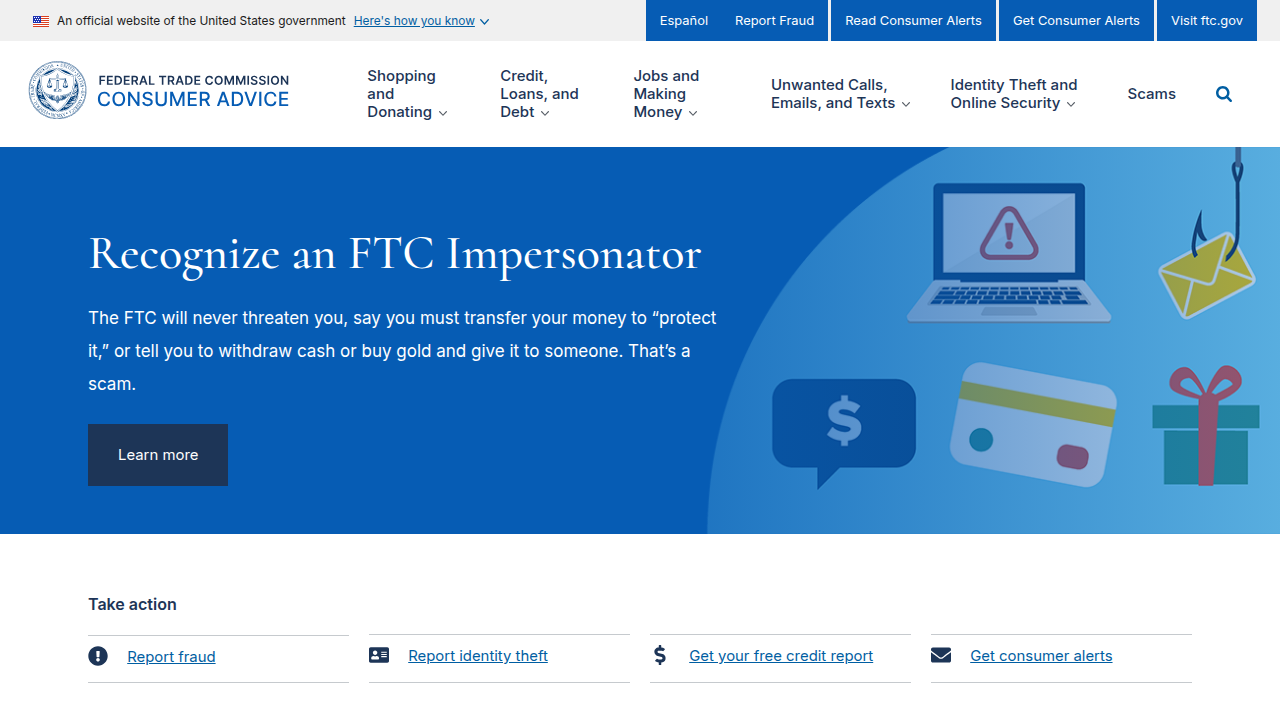
You can learn more about common tricks there [4].
- Match Job Boards: If you saw the job on a site like Indeed or LinkedIn, go to the company’s actual career page on their website. Is the same job posted there? If not, be very careful.
By taking these steps, you can feel much safer looking for at home jobs no experience. It helps you find real chances to start your remote career, like learning how to land a great role in Amazon work from home customer service.
In-demand remote sales roles that hire with no experience
It’s great that you know how to spot fake jobs. Now, let’s look at real at home jobs no experience that can start your career in remote sales. Many companies are hiring for these types of roles in 2026 because more and more businesses are working from home [1].
Here are some good examples of remote sales jobs that often welcome beginners:
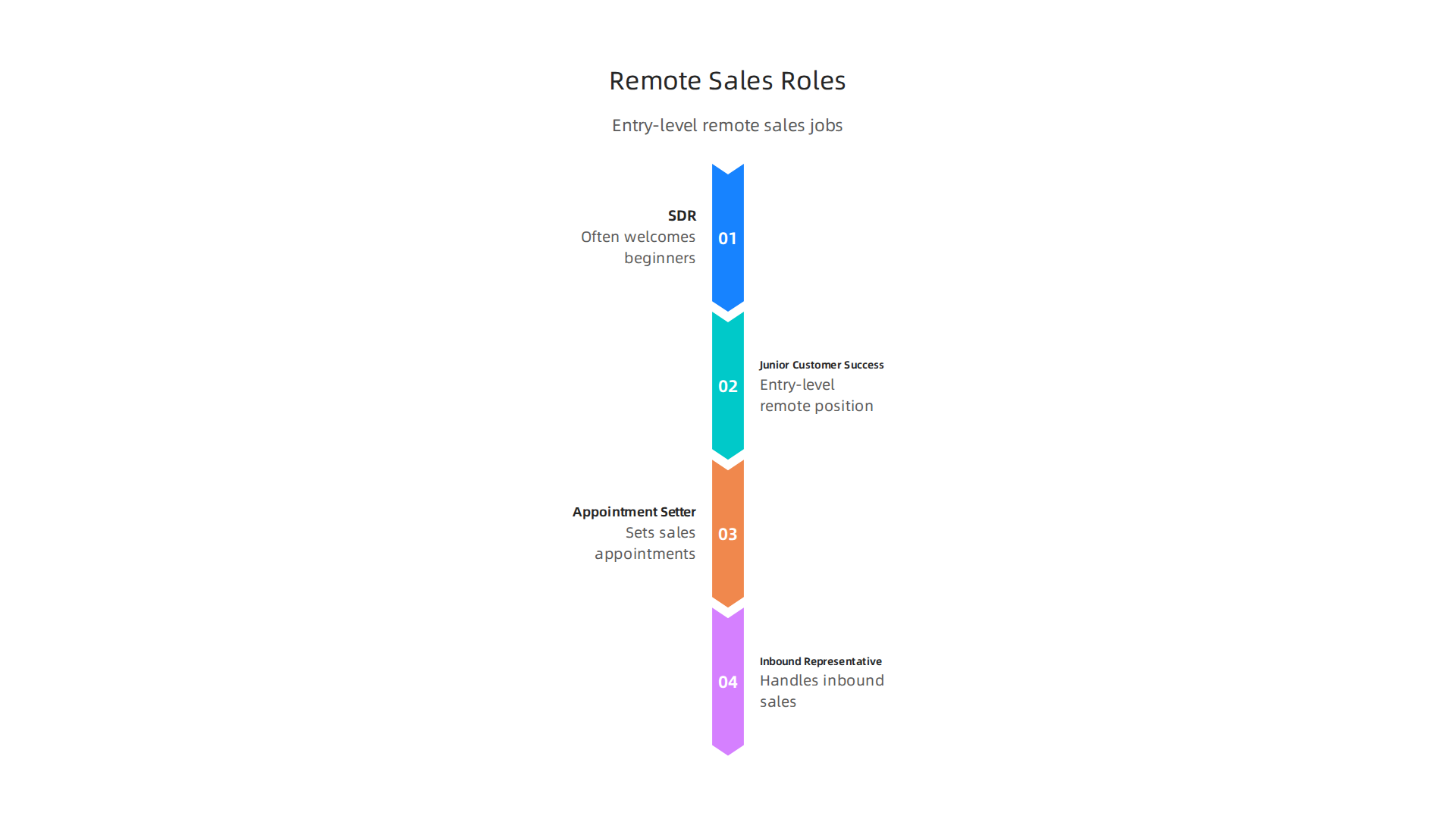
Sales Development Representative (SDR) or Business Development Representative (BDR)
These roles are all about finding new chances for sales.
- What you do: An SDR or BDR reaches out to potential customers. They might send emails, make calls, or use social media to introduce their company’s product or service. Their main goal is to set up meetings for more experienced sales people, not to close the sale themselves [2].
- Why no experience is okay: Companies often hire people new to sales for these spots because they can teach you exactly how they want things done. You learn the ropes and get really good at talking to people. This makes them great
work from home jobs no experience. Many entry-level remote sales jobs are for SDRs [3, 4]. - Tools you’ll use: You’ll use computer programs to keep track of customers (this is called a CRM), email tools, and video call apps like Zoom or Google Meet. Most of this work is "synchronous," meaning you need to be online and available during set hours for calls and team meetings.
Junior Customer Success Specialist
While not exactly "sales," these jobs are very close and can lead to sales roles.
- What you do: Your job is to make sure customers are happy after they buy something. You help them use the product, answer their questions, and make sure they stick with the company. Happy customers often buy more later.
- Why no experience is okay: Companies want friendly, helpful people. If you’re good at listening and solving problems, you can learn the product and company ways.
- Tools you’ll use: Similar to SDRs, you’ll use CRM software and communication tools. You might also use help desk software to manage customer questions. Some of this work can be "asynchronous," meaning you answer emails or chat messages when it fits your schedule, but live calls will still be a big part.
Appointment Setter
This role is very focused and a clear path for beginners.
- What you do: You call or email people to schedule appointments or demos for the sales team. You’re not selling; you’re just getting people to agree to a meeting.
- Why no experience is okay: It focuses on a single task: setting meetings. This makes it easier to learn without needing a lot of past job experience. Many
remote jobs no experienceare in this area [5].
Inbound Sales Representative
- What you do: Instead of finding new customers, these reps talk to people who have already shown interest. Maybe someone filled out a form on the company’s website or called with a question. You help them understand the product and might guide them to make a purchase.
- Why no experience is okay: It’s often easier to sell to someone who is already interested. This means less "cold calling" and more helping people who want to be helped.
Where to Find These Jobs
Finding these online jobs no experience means knowing where to look.
- Job Boards: Websites like Indeed, ZipRecruiter, Built In, and WayUp are great places to start looking for "entry-level remote sales" or "no experience sales." Many flexible entry-level sales remote jobs are posted there [6, 7, 8].
- Company Career Pages: If you know a company you like, check their own website’s "Careers" section. They often list jobs there first.
- Apprenticeship or Trainee Programs: Some companies offer special programs to train new sales people from scratch. These are perfect for getting your foot in the door.
With the rise of remote work, more companies are open to training new talent for these roles [9, 10]. If you’re ready to start your remote sales career, learning how to present yourself well is key.
Ready to take the next step? Discover how to successfully land Amazon remote sales jobs in USA and other great opportunities.
You’ve just learned about some great at home jobs no experience in remote sales. Now, let’s talk about how you can get ready for them! Even without past job experience, there are important skills you can quickly learn.

These skills will help you look great to companies hiring for work from home jobs no experience in 2026.
Think of it like this: You’re showing companies you’re eager to learn and ready for remote work.
Key Skills to Build Fast
Companies looking for beginners often want people with "transferable skills." These are skills you can use in many different jobs. For remote sales, the most important ones are:
- Good Communication: This means being able to talk and write clearly, whether it’s through email, chat, or video calls. You also need to be a good listener.
- Basic CRM Knowledge: CRM stands for Customer Relationship Management. It’s software used to keep track of customers and sales. Even knowing the basics helps a lot because many
remote jobs no experienceuse these tools [1]. - Time Management: Working from home means you need to manage your own time well. You set your own schedule and make sure tasks get done.
- Remote Collaboration: This is about working well with others even when you’re not in the same room. It means being good with online tools and being a team player.
Your 4-Week Quick Learning Plan
Here’s a simple plan to help you build these skills fast.
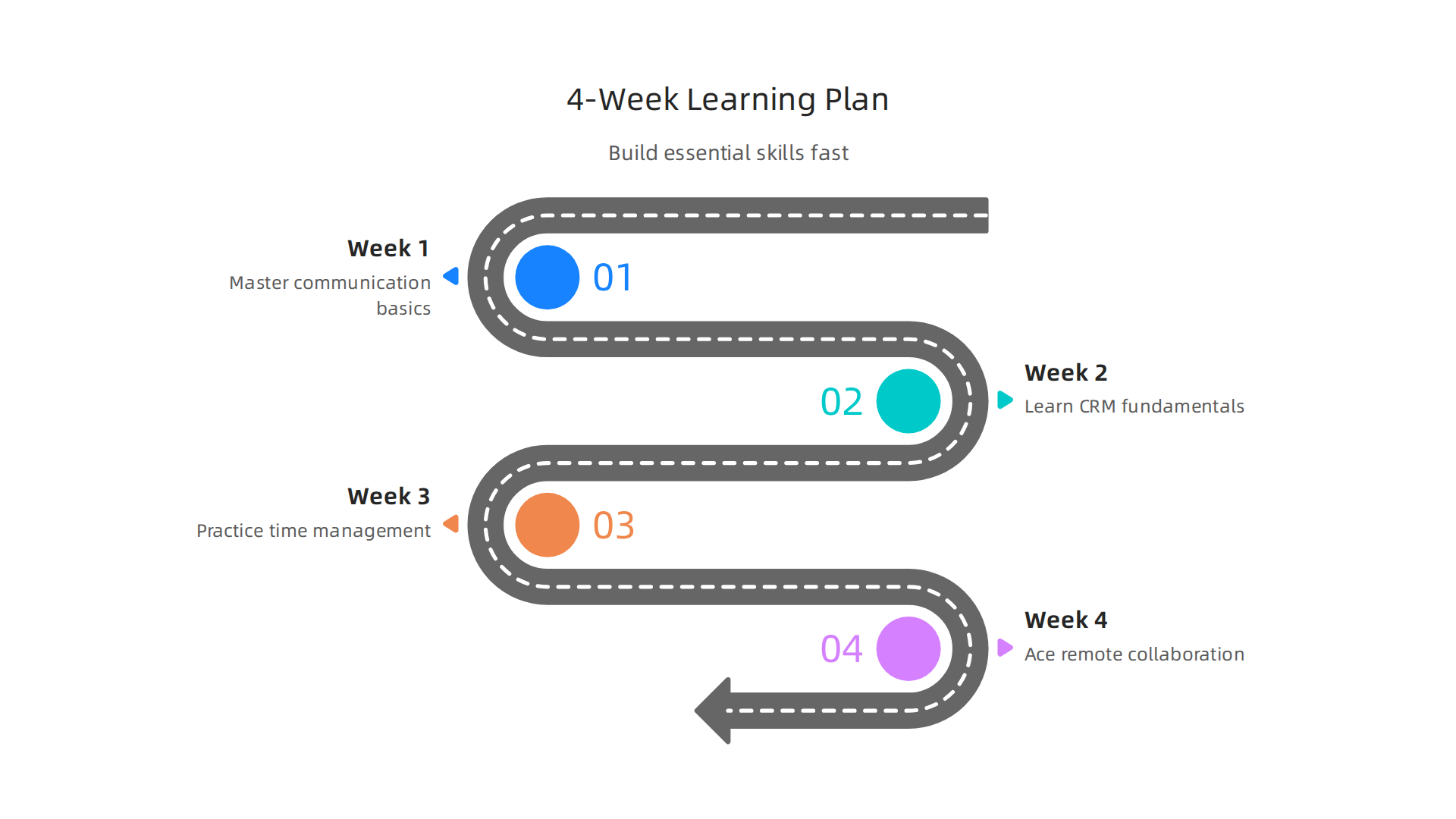
You can do this by yourself, mostly using free online tools.
Week 1: Master Communication Basics
- What to learn: How to write clear, professional emails. How to listen carefully and speak clearly on calls. How to present yourself well on video.
- Resources: Look for free guides on "professional email writing" or "active listening tips" online. Watch YouTube videos about "virtual meeting etiquette."
- Show your progress: Practice writing clear emails to friends or family. Do a mock video call with someone and ask for feedback.
Week 2: Get to Know CRM Software
- What to learn: Understand what CRM does. Learn how to add new customer information, take notes, and set reminders in a CRM system. You don’t need to be an expert, just know the basics.
- Resources: Many CRMs offer free versions or free trials. HubSpot CRM Free is a good place to start.
Search YouTube for "HubSpot CRM for beginners" or "what is CRM software." Indeed lists many entry-level CRM jobs, showing this skill is in demand [2].
- Show your progress: Set up a free CRM account. Create a few fake customer profiles and log some make-believe calls or emails. This shows you’re familiar with the tools.
Week 3: Become a Time Management Whiz
- What to learn: How to plan your day, set goals, and stay focused when working remotely. Learn to use online calendars and to-do lists.
- Resources: Read articles about "remote work productivity tips" or "how to create a daily schedule." Use free tools like Google Calendar or Trello to plan your tasks.
- Show your progress: Keep a simple log of your daily tasks and how long they took. Share a sample planned schedule with someone. This proves you can manage yourself, a key for
online jobs no experience.
Week 4: Ace Remote Teamwork
- What to learn: How to use team chat tools (like Slack or Microsoft Teams). Understand how to work together in an online team and solve problems.
- Resources: Many companies offer free basic versions of their team chat tools. Watch videos on "how to use Slack for teamwork" or "tips for remote collaboration."
- Show your progress: If you can, join an online community or group project that uses these tools. Or, set up a mock project with friends to practice using shared documents and chat.
After building these skills, you’ll be much more prepared to apply for entry-level remote sales jobs. Remember to put these new skills on your resume and talk about them in your interviews! If you’re looking for different kinds of remote work, consider exploring other options like these 9 high-paying part-time remote jobs to earn more from home.
Creating a strong resume that highlights these new skills, even without formal experience, is very important. You can find helpful tips on how to write a resume with no experience.
Okay, you’ve worked hard to build those new skills! Now, it’s time to show them off. Even for at home jobs no experience, your resume and online profiles are super important. They tell companies you’re ready for remote work and eager to learn. Think of them as your sales pitch to get an interview.
Building Your Beginner Remote Sales Resume
When you don’t have past sales jobs, your resume needs to highlight what you can do. Here’s how to make it shine for remote jobs no experience:
- Start with an Objective or Summary: This is a short paragraph at the top. For beginners, a "resume objective" is great. It tells companies your career goals and what you bring, like being a motivated learner [3]. For example: "Enthusiastic and self-driven individual seeking an entry-level remote sales role to apply strong communication and organization skills gained through self-study and practical projects." Many guides offer sales resume examples that can help you build a resume that impresses employers in 2026.
- Focus on Skills: Create a clear "Skills" section. List all the skills you just practiced:
- Communication (written, verbal, video calls)
- Customer Relationship Management (CRM) basics
- Time Management & Organization
- Remote Collaboration Tools (Slack, Teams)
- Problem-Solving
- Learning Agility
- Show, Don’t Just Tell: For any past work (even non-sales jobs or volunteer work), internships, or even personal projects, think about how you used those transferable skills. Did you manage a small club? That shows time management! Did you help customers? That’s communication. Your resume should be a highlight reel, not just a list of duties [2]. Use phrases like "Managed daily tasks using Google Calendar" or "Practiced clear communication in online group projects."
- Use Templates: You don’t have to start from scratch! Many free resume templates are available online that are ready for 2026. These can help make sure your resume looks professional and is easy for hiring managers to read [9]. Check out resources for how to write a resume with no experience for even more tips.
Making Your Online Profiles Remote-Ready
Recruiters for work from home jobs no experience often check LinkedIn and other job sites. Make sure your profiles are updated for 2026:
- Headline: Change your LinkedIn headline to something like: "Aspiring Remote Sales Professional | Skilled in CRM & Virtual Communication | Eager for Entry-Level Opportunities."
- About Section: Write a quick summary. Talk about your passion for sales, your remote-ready skills, and why you want to work remotely.
- Keywords: Use words like "remote sales," "work from home," "SDR (Sales Development Representative)," and "entry-level sales" in your profile text. This helps recruiters find you when they search.
- Availability: Clearly state you are open to remote work on your profile. Indeed also has templates and samples for a remote work resume.
Reaching Out to Recruiters and Companies
Sometimes, just applying isn’t enough. You can also reach out directly to recruiters or sales managers on LinkedIn. This is a smart move for finding online jobs no experience.
Here’s a simple message idea:
Subject: Interested in Remote Sales Roles – [Your Name]
"Hello [Recruiter/Hiring Manager Name],
I hope this message finds you well.
I’m very interested in starting a career in remote sales and have been actively building skills like clear communication, basic CRM use, and remote collaboration. I’m eager to find an entry-level position where I can learn and grow.
I noticed your company has remote opportunities, and I’d love to learn more about how someone with a strong desire to succeed and newly acquired remote-ready skills could contribute to your team.
Would you be open to a quick chat sometime next week?
Thank you for your time,
[Your Name]
[Your LinkedIn Profile Link]"
This kind of message shows you’re proactive and serious about getting one of those at home jobs no experience. Always tailor your message a little to the company you’re reaching out to. It makes a big difference! If you want to explore more options, you can discover various types of remote work, including 9 high-paying part-time remote jobs to earn more from home.
The goal is to show you’re not just looking for "jobs near me no experience," but specifically for remote opportunities and that you have the foundational skills needed. Good luck!
Acing Remote Interviews and Sample Scripts for Beginners
You’ve built a great resume and shiny online profiles. Awesome! The next step for getting those at home jobs no experience is the interview.
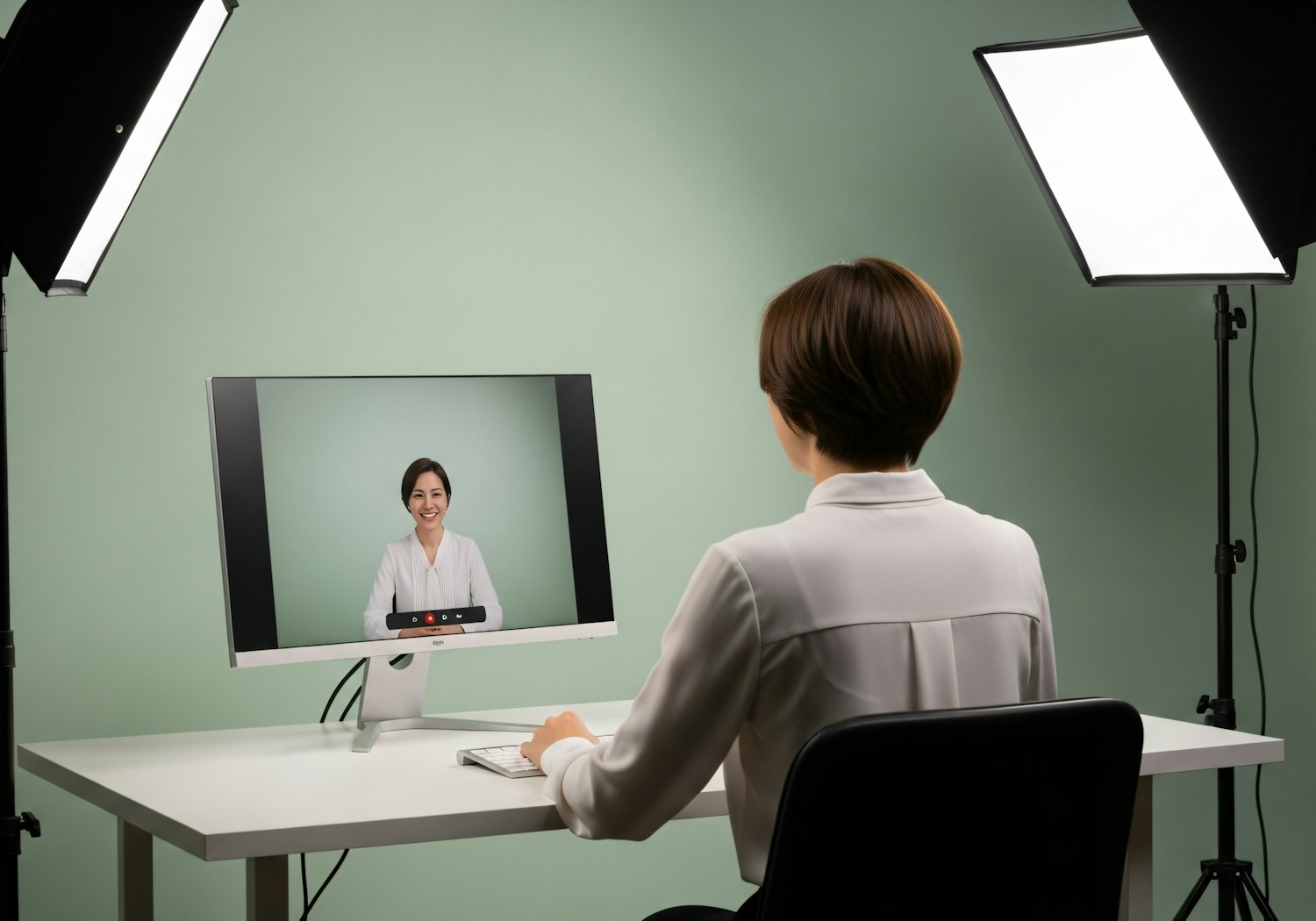
Remote interviews in 2026 are often faster and clearer than old-style interviews [1]. Companies want to see that you’re not just skilled, but also ready for remote work.
Common Remote Interview Formats
You might experience a few types of interviews for remote jobs no experience:
- Video Calls (Screening): These are usually the first step. You’ll chat with a recruiter or hiring manager online. They’ll ask about your skills and why you want the job. These calls are often shorter, maybe 30 minutes.
- Role-Play Scenarios: Especially for sales jobs, they might ask you to pretend to sell something. For example, they might say, "Sell me this pen." This helps them see how you communicate and handle objections.
- Trial Tasks: Sometimes, a company might give you a small project to complete. This could be paid or unpaid. It’s a way for them to see your skills in action before hiring you full-time.
How to Answer Interview Questions
Don’t worry about knowing every answer perfectly. Companies want to see how you think and learn. Here’s a simple way to answer many questions, called the STAR method:
- Situation: What was the situation?
- Task: What was your task or goal?
- Action: What actions did you take?
- Result: What was the result of your actions?
Example Question: "Tell me about a time you had to learn something new quickly."
Beginner-Friendly Answer Idea:
"Once, for a volunteer project, the team needed someone to use a new online tool to organize tasks (Situation). My task was to learn it fast so we could start working better (Task). I watched some tutorial videos and practiced using the tool on my own (Action). By the next day, I could use it well enough to set up all our tasks, and our team started working smoothly (Result)."
Companies will also ask questions about self-management, communication, and how you work with others from far away [3]. They want to know you can do online jobs no experience well.
Get Ready for Remote Interviews: Technical Checklist
Before your interview, make sure your setup is ready. This is super important for any work from home jobs no experience:
- Good Internet: Test your Wi-Fi beforehand. A strong, stable connection is a must.
- Quiet Spot: Find a place where you won’t be interrupted.
- Lighting: Sit facing a window or light source so interviewers can see your face clearly.
- Camera and Mic: Make sure your webcam and microphone work. Do a quick test call with a friend.
- Backup Plan: Have your phone ready in case your computer has an issue. You can join the call from your phone if needed.
- Dress Smart: Even though you’re at home, dress like you would for a regular job interview.
Behavioral Tips to Shine
- Be Confident: You’ve worked hard to get here!
- Listen Well: Pay close attention to the questions.
- Speak Clearly: Talk slowly and clearly, especially on video calls.
- Ask Questions: At the end, ask a question or two about the role or company. This shows you’re truly interested.
- Practice: Try practicing your answers out loud. It helps to calm your nerves.
Remember, the goal is to show you are eager to learn, have strong basic skills, and are excited about a remote role. Many companies are looking for new talent ready to grow in remote sales jobs in 2026 [8]. If you want to dive deeper into specific remote sales roles, check out our guide on how to land Amazon remote sales jobs in USA.
Career Progression, Pay Expectations, and Growth Paths in Remote Sales
When you start looking for at home jobs no experience, it’s natural to wonder, "What’s next?" Many people think remote jobs are just temporary, but actually, they offer great chances for you to grow your career and earn more money.

This is especially true in remote sales, where companies are always looking for smart, eager people.
How You Can Grow in Remote Sales
Even if you begin with work from home jobs no experience, there’s a clear path to move up.
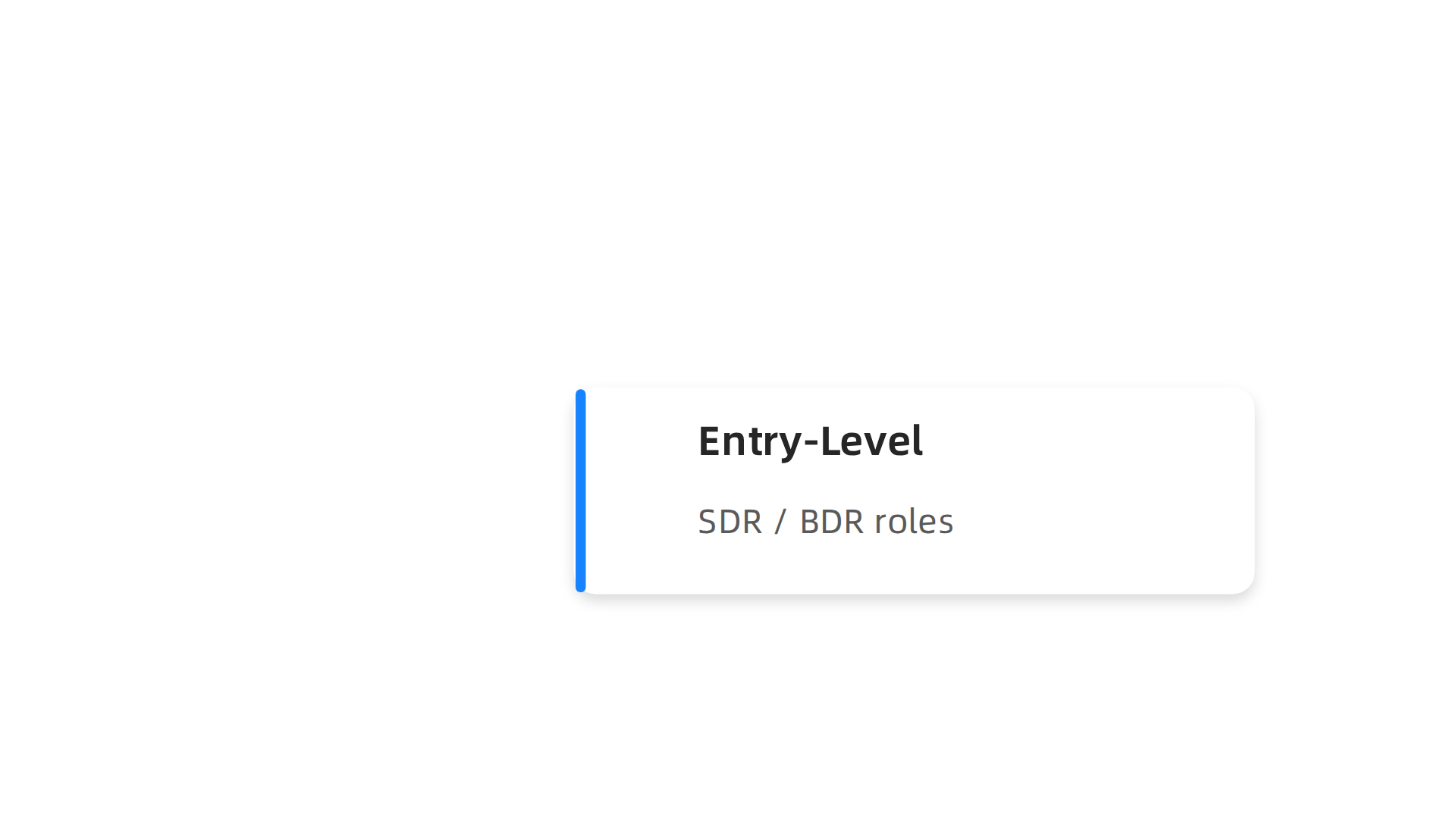
Think of it like a ladder:
- Entry-Level Remote Sales (1-2 years): You might start as a Sales Development Representative (SDR) or Business Development Representative (BDR). Your main job here is to find new customers and set up meetings for more experienced sales people. This is a perfect spot for online jobs no experience because you learn a lot about talking to people, using sales tools, and understanding products. You get really good at communicating from afar.
- Account Executive (2-4 years): After proving yourself, you can become an Account Executive. Here, you’ll manage your own sales from start to finish. You’ll talk to customers, explain how your product helps them, and close deals. This step means more responsibility and often higher pay.
- Senior or Team Lead (4+ years): Once you’re an expert Account Executive, you can become a Senior Account Executive, handling bigger clients or more complex sales. You might also become a Team Lead, helping to train new SDRs or BDRs. This is where you really start to lead and guide others.
- Sales Management or Specialization: Further up, you could manage a whole sales team, or choose to specialize in a certain type of sales or product. For example, you might become an expert in selling software to big businesses.
Throughout your journey in remote sales, you’ll keep learning new skills. These include better ways to communicate online, how to use customer relationship management (CRM) software, and how to understand what customers really need. Companies in 2026 want people who are ready for career development [16].
What to Expect for Pay
Money is a big part of why people look for at home jobs no experience. In remote sales, how you get paid can be a bit different from other jobs.
- Base Salary + Commission: Most remote sales roles, especially entry-level ones, offer a base salary. This is a set amount you get every pay period. On top of that, you earn "commission," which is a percentage of the sales you make. The more you sell, the more commission you earn! For example, a 2026 salary guide shows that pay packages are always changing to attract good talent [12].
- Beginner Expectations: For someone just starting out with remote jobs no experience, your base salary might be moderate. But the exciting part is the commission. As you get better and sell more, your overall income can grow a lot. Your total pay will be a blend of your fixed salary and your variable commission.
- Growing Income: As you climb the career ladder, both your base salary and your potential commission earnings will go up. More senior roles usually have higher base salaries and bigger commission rates. Studies in 2026 show that base salary, bonuses, and total compensation have all gone up recently [17].
Finding Companies That Help You Grow
When you’re looking for jobs near me no experience, it’s important to find companies that will invest in you. Here’s how to spot them:
- Look for Training Programs: Good companies will mention training for new hires. They might have online courses, mentors, or detailed guides to help you learn the ropes of remote sales.
- Ask About Career Paths: During your interview, don’t be shy to ask, "What does a typical career path look like for someone starting in this role?" This shows you’re thinking long-term.
- Check for Mentorship: Does the company pair new employees with experienced ones? Having a mentor can make a huge difference, especially when you’re doing online jobs no experience.
- Negotiation Tips: Even as a beginner, you can negotiate. If a company offers you a job, and you have another offer or feel you’re worth more, you can politely ask for a slightly higher base salary or better commission structure. Do your homework on average salaries for similar roles in 2026. Showing what you’ve learned from volunteer work or online courses can also help your case.
Starting your journey in remote sales, even with no experience, offers a solid pathway for earning a good income and building a rewarding career. Remember, companies want to hire people who are eager to learn and grow, so show them your drive! For more specific information on finding entry-level sales roles, you might find our guide on how to land Amazon remote sales jobs in USA helpful.
Summary
This article explains why finding at-home jobs that require no prior experience is realistic in 2026, with a focus on entry-level remote sales and customer-facing roles that companies commonly hire and train. It shows how to spot scams and offers a fast vetting checklist you can use in 10–30 minutes, then outlines specific roles—SDR/BDR, appointment setter, inbound sales, and junior customer success—that often accept beginners. You get a practical 4-week skills plan (communication, CRM basics, time management, remote collaboration), tips for building a resume and LinkedIn profile without formal experience, and guidance on preparing for remote interviews with examples and a tech checklist. The guide also covers pay structures (base + commission), realistic career paths from entry-level to management, and where to find legitimate remote openings, so readers can apply, get hired, and grow a remote sales career safely and quickly.